How Much Does YouTube Pay for 1 Million Views in 2026?
Reaching 1 million views on YouTube is a major milestone — one that thousands of creators aim for as a sign of success and a potential payday. That’s because YouTube doesn’t pay a flat rate per view. Instead, how much does YouTube pay for 1 million views in 2026? Everything depends on key factors like your video’s topic, your audience’s country, the type of ads shown, and how your channel is monetized beyond ads.
Looking to boost your Youtube views and reach more subscribers without waiting for the algorithm to catch up? With Buzzvoice, you can instantly promote your content!
The Short Answer: How Much YouTube Pays for 1M Views
On average, YouTube pays between $500 and $20,000 for 1 million views in 2026.
But most creators fall in the $2,000 to $5,000 range for their YouTube channel, depending on their YouTube niche: this is based on typical RPMs (Revenue Per Mille) of $2–$5, factoring in YouTube’s 45% cut.
Why is the range so wide?
- Niche differences: Finance and Tech earn more per view than vlogs or gaming. Selecting a profitable YouTube niche can significantly impact potential earnings, as more competitive niches often lead to higher CPM rates.
- Audience location: U.S. views pay more than views from lower-income countries.
- Engagement: Long-form YouTube videos and higher retention = more ads shown = more revenue.
- Monetization strategy: Some creators rely on brand deals, memberships, or affiliate links to earn beyond ads.
Introduction to YouTube Monetization
YouTube monetization is the process by which creators can earn money from their YouTube videos. This can be done through various methods, including ads, sponsorships, merchandise sales, and more.
To start earning money on YouTube, creators must first meet the platform’s eligibility requirements, which include having at least 1,000 subscribers and 4,000 watch hours in the past 12 months. Once these requirements are met, creators can apply for the YouTube Partner Program (YPP).
Joining the YouTube Partner Program opens up several monetization features, such as ad revenue, channel memberships, and Super Chats. Creators can also sell merchandise directly through their channel, providing another revenue stream.
Understanding YouTube Earnings
YouTube earnings are determined by a variety of factors, including the number of views, engagement, and ad revenue. Creators can earn money from ads displayed on their videos, as well as from YouTube Premium, a paid subscription service that offers ad-free videos.
The amount of money a creator can earn from YouTube varies widely, depending on factors such as their niche, audience demographics, and the types of ads displayed on their videos.
On average, creators can earn between $0.01 and $0.03 per ad view, which translates to $10-30 per 1,000 views. However, these figures can fluctuate based on the engagement level of the audience and the overall quality of the content.
Key Factors That Affect YouTube Earnings
Let’s understand why your earnings may differ from another creator’s, even with the same number of followers, starting with these four key variables:
1. CPM (Cost Per Mille)
CPM is how much advertisers pay YouTube per 1,000 ad impressions, and it’s heavily influenced by your content niche.
|
Niche |
Average CPM (2026) |
|
Finance |
$15–$25 |
|
Tech |
$10–$18 |
|
Education |
$8–$15 |
|
Beauty |
$5–$10 |
|
Lifestyle/Vlogs |
$2–$6 |
|
Gaming |
$1–$4 |
U.S. vs Global CPMs:
Views from the U.S., Canada, Australia, and Western Europe typically earn 2–5x more than those from countries with lower ad spend, like India, Brazil, or the Philippines.
2. RPM (Revenue Per Mille)
RPM is what you, the creator, earn per 1,000 views, after YouTube takes its 45% share.
In 2026, RPMs typically range from $1 to $5.
- YouTube pays creators primarily based on ad views, which are the instances ads are displayed to viewers.
- High-performing, monetized channels with strong engagement can reach $10+ RPM, especially in business and B2B niches.
RPM includes ads, YouTube Premium revenue, memberships, and Super Chats (if applicable).
3. Audience Demographics
Where your viewers live significantly impacts your earnings.
- Top-paying regions: The United States, UK, Canada, Germany, and Australia lead in revenue.
- Lower-paying regions: Countries like India, Indonesia, and parts of Latin America and Africa offer less income
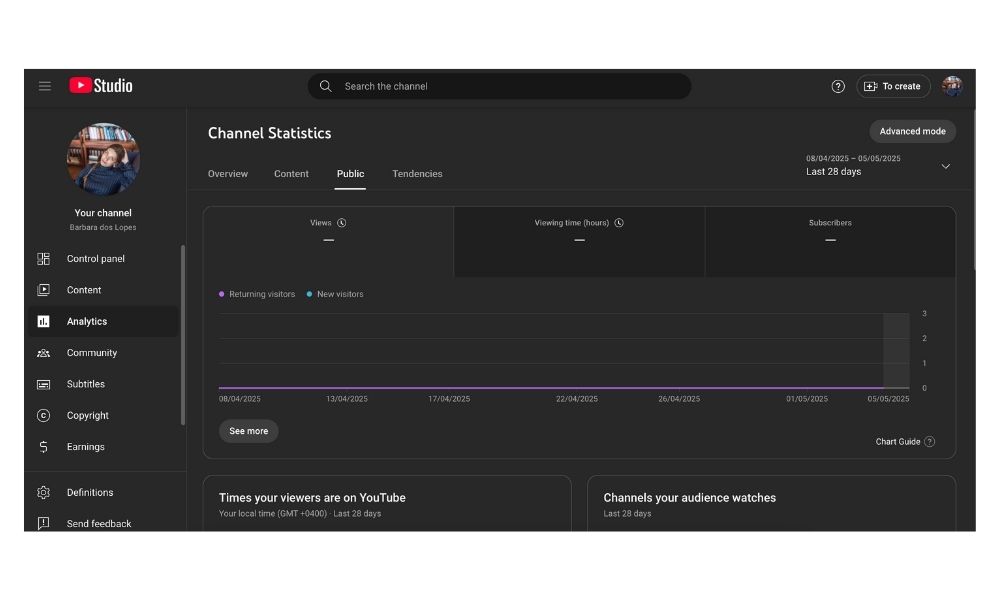
Attract more views from high-CPM areas – with Buzz Voice’s help – and boost your RPM.
4. Engagement and Watch Time
YouTube rewards watch time and engagement with better ad placement.
Longer videos (8+ minutes) allow for mid-roll ads, which increase total ad revenue.
Higher retention (viewers staying until the end) signals high-quality content, which tends to get better ads and more algorithmic reach.
Likes, comments, and shares can indirectly impact how well ads convert, influencing future CPMs.
YouTube Advertising Revenue
YouTube advertising revenue is the primary source of income for most creators on the platform. Advertisers pay YouTube to display their ads on videos, and creators earn a portion of this revenue. The amount of money a creator can earn from ads depends on factors such as the number of views, ad impressions, and click-through rates.
To maximize ad revenue, creators should focus on creating high-quality content that resonates with their audience. This includes optimizing video titles, descriptions, and tags to increase visibility and attract more viewers. Additionally, understanding audience demographics in YouTube Studio can help tailor content to attract higher-paying ads.
Real-World Examples from Creators
Not all 1 million views are created equal. Two creators can get the same number of views but walk away with very different paychecks. Let’s look at some realistic scenarios:
Example 1 – Finance Channel vs Vlog Channel
Emma, who runs a finance-focused channel, earns an average CPM of $20. After YouTube’s cut, her RPM is around $11, bringing in about $11,000 for 1M views.
Mike, a lifestyle vlogger, sees an RPM closer to $2. His total? Roughly $2,000 for the same number of views.
Why the difference? Advertisers are willing to pay much more for content that brings in buyers, like finance, tech, or business.
Example 2: High RPM vs Low RPM Channels
|
Channel Type |
Estimated RPM |
1M Views Income |
|
Online Education |
$8 |
$8,000 |
|
Gaming |
$1.50 |
$1,500 |
Gaming content gets tons of views, but lower ad rates. Meanwhile, educational or B2B content, even with fewer views, often earns more per view.
Do you want to reach that 1M faster?
Reaching 1 million views is no quick feat. Yet, there are ways to speed up your visibility:
Buzzvoice provides real interactions such as views, likes, comments, and subscribers. This way, the algorithm can quickly recognize your content’s value.
Other Ways Creators Monetize 1M Views
Ad revenue isn’t the only way to earn from 1 million views. Many successful YouTubers make more money outside of YouTube ads. This is especially true for those in niches with loyal audiences.
Here are the top monetization strategies beyond the YouTube Partner Program:
Brand Deals & Sponsorships
Brands pay creators $1,000 to $50,000+ per video, depending on niche and audience size. For some creators, one good brand deal is worth more than the ad revenue from 1M views.
BuzzVoice can help boost your visible metrics (like views and subscribers), which can make your channel more appealing to potential sponsors.
Affiliate Marketing
By promoting your products or services, you can earn a commission for each sale. For instance, a tech YouTuber might earn a 10% commission on laptops sold through their links.
This strategy is particularly effective with review, how-to, or tutorial content.
Merch, Courses & Memberships
You can sell your products, like T-shirts, digital courses, eBooks, and turn your audience into paying customers.
YouTube’s built-in Memberships feature lets fans pay monthly for exclusive perks. This strategy works well if you have a loyal fan base, even if you’re not hitting viral numbers.
Super Chats, Patreon & External Support
Super Chats allow fans to donate during live streams, and platforms like Patreon let creators earn recurring income directly from their followers.
These are great for niche or community-focused channels with highly engaged audiences.
Tip: Don’t rely on just one income stream. Combining ad revenue with affiliate links, merch, and brand deals is the best way to turn 1 million views into long-term income.
YouTube Shorts Monetization — Same Rules?
YouTube Shorts operates on a different monetization model than traditional long-form videos. By 2026, creators typically earn less than $100 for every million views. This is due to lower RPMs, ranging from $0.05 to $0.30, and limited ad opportunities.
YouTube’s updated revenue-sharing model doesn’t support mid-rolls for Shorts. This format also generates less watch time, impacting ad revenue. Yet, Shorts are crucial for attracting new viewers to your main content.
To maximize Shorts’ potential, creators blend organic reach with strategic boosts to increase views and engagement.
Tips to Maximize Your Earnings per Million Views
Reaching 1 million views is exciting, but turning that into serious income takes strategy. Here’s how to make every view count:
Focus on High-CPM Niches
Topics like finance, tech, business, and digital marketing attract advertisers with bigger budgets. Even with fewer views, you’ll earn more.
Increase Watch Time & Retention
Longer videos (8+ minutes) allow mid-roll ads, which means more ad slots = more revenue. Keep viewers watching to boost RPM and check if your ad formats are correct.
Grow an Audience in Top-Tier Countries
Views from the U.S., Canada, the UK, and Australia pay significantly more than views from lower-CPM regions. Tailor your content (and language) accordingly.
Diversify Monetization
Don’t rely solely on short ad revenue for your YouTube income. Combine brand deals, affiliate links, and merch for multiple income streams — especially if you have high engagement. Ad blockers can significantly impact your ad revenue and complicate the measurement of engagement and performance metrics.
Boost Early Traction
YouTube favors videos that perform well early. Using platforms like BuzzVoice to buy YouTube views and spark initial engagement—such as likes, and comments—can give your videos that crucial momentum to reach wider audiences organically.
Final Thoughts: A Million Views is Impressive, But Strategy Wins

Hitting 1 million views is a significant achievement for any YouTube creator, but it doesn’t automatically translate to financial success. The true value lies in monetizing those views effectively. Understanding YouTube revenue is crucial, as it involves various monetization methods and factors like audience engagement and video performance.
This involves creating smart content, targeting the right audience, and exploring various revenue streams. Creators who approach YouTube as a business tend to earn more. They understand CPMs, focus on optimizing watch time, and diversify their income. While going viral can be beneficial, a well-thought-out strategy ensures continuous income even after the initial excitement wears off.
To achieve growth, focus on engineering views rather than just chasing them. Tools like BuzzVoice can provide the necessary boost to get your videos noticed.
FAQ
How much does YouTube pay for 1 million views in 2026?
Depending on variables like CPM, RPM, where your viewers are located, the kind of content you create, and how engaged your audience is, you could make anywhere between $500 and $20,000.
What’s the average CPM on YouTube in 2026?
CPMs vary significantly across different niches. Finance and tech tend to have $15–$30 CPMs. On the other hand, gaming or vlogs might see $2–$5 CPMs.
What is RPM, and how does it affect earnings?
Revenue per Mille (RPM) reflects a creator’s earnings per 1,000 views after YouTube deducts its 45%. This figure typically represents 40 to 60 percent of the CPM.
Do Shorts pay the same as long videos?
No, Shorts have lower RPMs, usually under $0.30. This means you might earn less than $100 for 1 million views.
How can I increase my YouTube earnings?
To boost your earnings, focus on high-CPM niches. Improve video retention and reach viewers in top-paying regions. Diversify your income with brand deals, merch, and affiliate links.

BuzzVoice
BuzzVoice is the best place to go when you need instant engagement services on social media. Offering a wide variety of packages for Instagram, Youtube, Facebook, Twitter, Soundcloud & Tiktok.