The Positive Effects of Social Media: Benefits and Advantages
Social media has become a natural part of our daily lives, changing the way we connect, learn new things, and grow our careers or businesses. Social media usage has significantly impacted our daily routines, transforming communication and networking. But what are the positive effects of social media?
By 2026, social media isn’t just about scrolling through photos or updates—it’s a dynamic space where people build personal brands, stay informed, find community, and even spark real social change.
Thanks to AI, augmented reality, and better moderation, the experience feels more personalized and meaningful. Whether you’re learning a new skill on TikTok, growing your network on LinkedIn, or supporting a cause on Instagram, social media is now a space for connection, growth, and real impact.
Want to increase your views and gain more followers without waiting for the algorithm to work in your favor? With Buzzvoice, you can instantly boost your content’s visibility!
Top Positive Effects of Social Media Summarized
Here’s a comprehensive table summarizing the key positive effects of social media in 2026.
| Category | Positive Effect | Example Platforms / Tools |
|---|---|---|
| Communication & Relationships | Strengthens relationships through easy communication | Facebook, WhatsApp, Instagram, Snapchat |
| Enables global professional networking | LinkedIn, X (Twitter), Clubhouse | |
| Education & Awareness | Makes education accessible and engaging through short-form and long-form content | YouTube, Coursera, TikTok Learn, Instagram Reels |
| Increases real-time awareness of global issues | X (Twitter), Reddit, Facebook, Instagram | |
| Facilitates learning from influencers and experts | LinkedIn, YouTube, Instagram, Substack | |
| Business & Marketing | Offers cost-effective promotion for small businesses | Instagram, Facebook, TikTok, Pinterest |
| Provides influencer marketing opportunities with high engagement | TikTok, Instagram, YouTube | |
| Enables personal branding and audience reach | LinkedIn, Instagram, TikTok | |
| Community & Support | Fosters mental health awareness and peer support networks | Reddit, Facebook Groups, TalkLife |
| Builds niche communities for shared interests | Discord, Reddit, LinkedIn | |
| Empowers activism and grassroots movements | TikTok, Instagram, X (Twitter) | |
| Creativity & Expression | Encourages creative content creation and self-expression | TikTok, YouTube, Instagram |
| Provides a platform for artists and creators to share work and grow audiences | Instagram, TikTok, YouTube | |
| Enables creators to crowdsource feedback and build loyal communities | Patreon, Ko-fi | |
| Mental Health & Well-being | Supports mental health during isolation and fosters virtual connection | Zoom, Facebook, WhatsApp |
| Spreads uplifting and motivational content for emotional support | Pinterest, Instagram, TikTok | |
| Motivates users through wellness creators and interactive communities | TikTok, Instagram |
What Is Social Media?
Social media refers to online platforms or tools that allow users to create, share, and interact with content, information, or other users in a virtual environment. Platforms like Facebook, Instagram, Twitter, and YouTube have become integral parts of modern life, boasting billions of users worldwide.
These platforms enable users to connect with others who share similar interests, hobbies, or demographics, fostering a sense of community and social support.
Understanding social media literacy is crucial for navigating these online platforms effectively. It helps users avoid potential pitfalls such as cyberbullying, online harassment, and misinformation.
Social media users engage in various activities, including sharing updates, posting content, commenting on others’ posts, and participating in online discussions. Routine social media use has been linked to both positive and negative effects on mental health.
What Are the Positive Effects of Social Media?
Social media has become an essential part of daily life, offering a way to connect, learn, build businesses, and foster creativity. In 2026, its benefits are more evident with improved features, transparent algorithms, and better user control. When used by mindful users, social media can enhance communication, inspire growth, and contribute positively to our well-being.
Mindful social media usage can lead to positive mental health by fostering social connections and improving overall well-being. By focusing on constructive interactions and avoiding negative habits, individuals can experience significant mental health benefits.
Strengthening Communication and Relationships
Staying Connected with Family and Friends
Platforms like Facebook, WhatsApp, Snapchat, and Instagram have made it easier than ever to stay connected with loved ones, no matter where they are. Whether it’s through group chats, video calls, or sharing everyday moments in stories, these tools help families and friends stay close, celebrate special milestones, and nurture meaningful relationships.
Networking Opportunities Globally
LinkedIn, X (formerly Twitter), and Clubhouse have truly changed how professionals connect and grow. With virtual events, live Q&As, and even AI helping us make the right connections, we can now build global networks without leaving home.
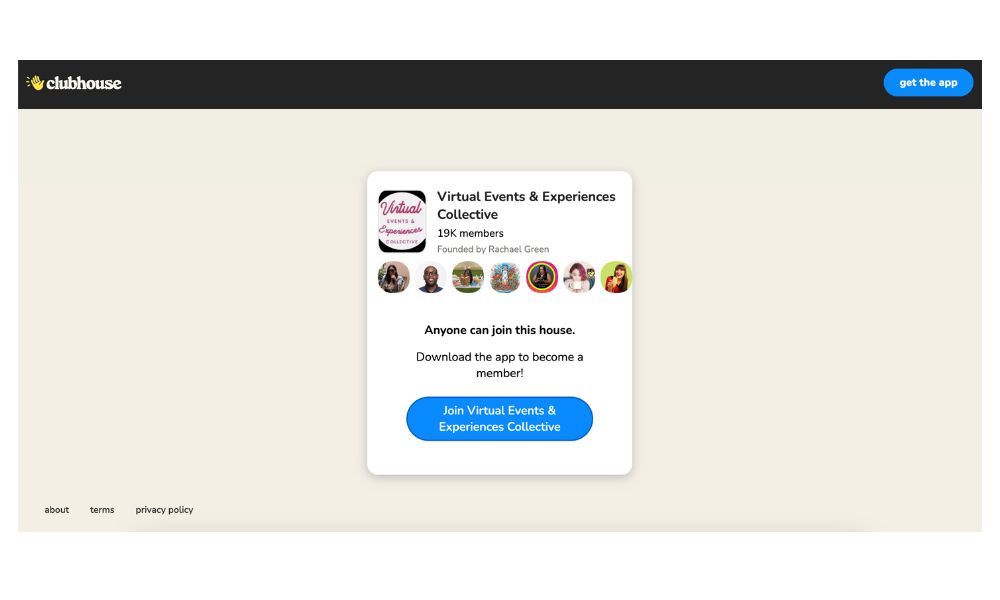
Whether it’s having real-time chats with industry leaders, sharing your work with the world, or landing job opportunities, these platforms open up a world of possibilities to connect, learn, and thrive—no passport needed.
Boosting Education and Awareness
In 2026, platforms like YouTube, Coursera, Khan Academy, TikTok Learn, and Instagram Reels will make education quick and accessible. From coding to mental health online courses, users can find free or low-cost content for all learning styles, whether through in-depth videos or bite-sized lessons ideal for mobile viewing.
Global Awareness of Issues and Events
Social media is now a key source of real-time global news, with platforms like X, Facebook, Reddit, and Instagram delivering instant updates on major events. Users can follow journalists, activists, and organizations for direct, unfiltered insights.
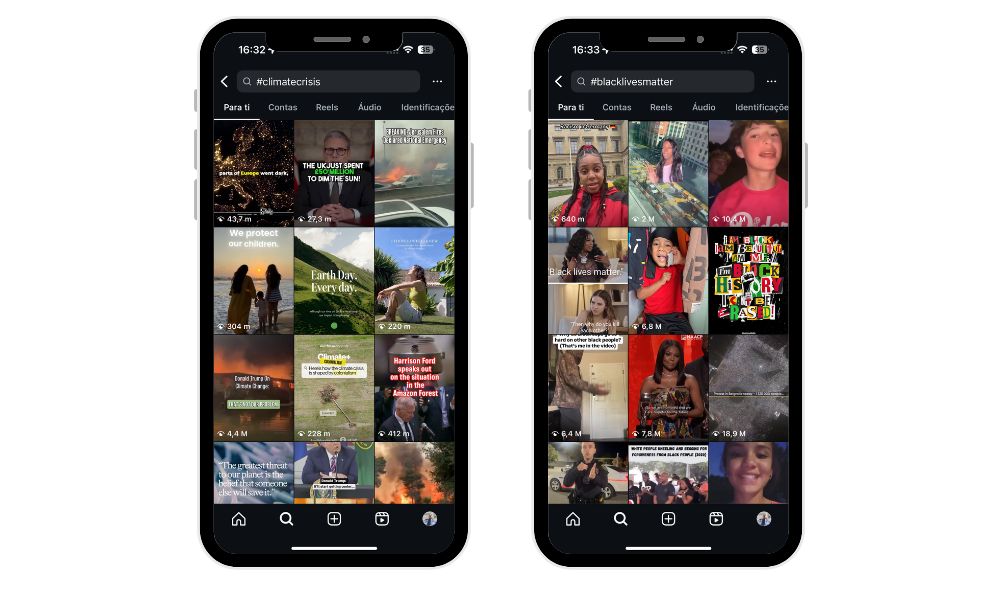
Hashtags like #ClimateCrisis and #BlackLivesMatter spark awareness and dialogue, while infographics, threads, and live streams make complex issues more accessible, especially for younger audiences.
Learning from Influencers and Thought Leaders
Influencers have become key educators and thought leaders across platforms like LinkedIn, Instagram, YouTube, and Substack. They share insights, strategies, and real-world experiences with global audiences.
Professionals post career tips on LinkedIn, scientists simplify research on TikTok, and coaches host live Q&As on Instagram. Unlike traditional learning, this model encourages interaction, letting social media users engage directly with experts in real time
Empowering Business and Marketing
Cost-Effective Promotion for Small Businesses
Social media remains a cost-effective marketing tool for small businesses, with platforms like Instagram, Facebook, TikTok, and Pinterest offering targeted ads starting at just $5 per day. Organic content—such as reels, stories, and customer posts—boosts visibility and builds authentic connections.
Influencer Marketing Opportunities
By 2026, influencer marketing will have become a refined, results-focused strategy. Brands now partner with influencers of all sizes—especially those with loyal, niche audiences—to build trust and reach target demographics. Authentic creator collaborations often outperform traditional ads in engagement and credibility.
Building Personal Brands and Reaching Audiences
Personal branding is a powerful career asset, and social media is the ideal platform to build it. In 2026, it’s about more than just visuals—it’s about sharing valuable content, engaging authentically, and showcasing your expertise through consistent messaging and proven results.
Creating Communities and Support Networks
Mental Health Awareness and Support Groups
Online communities play a key role in promoting mental health by offering safe spaces for open discussion and support. They help reduce stigma, encourage early intervention, and foster well-being. Platforms like Reddit, Facebook Groups, and apps like TalkLife connect individuals with shared experiences and real-time resources.
Niche Communities for Shared Interests
Social media has revolutionized how people with shared passions connect. Whether it’s photography, fitness, gaming, coding, or niche professional fields, platforms like Discord, Reddit, and LinkedIn enable users to join highly specific groups.
These communities encourage collaboration, mentorship, and learning, while also creating a sense of belonging. Through shared knowledge and interactive discussions, individuals can grow both personally and professionally.
Activism and Grassroots Movements
Social platforms have become powerful tools for activism and grassroots organization. They enable activists to quickly disseminate information, raise awareness, and coordinate events on local, national, or global scales.
Hashtags, viral campaigns, and live streams amplify marginalized voices and rally support for social justice causes. From climate change movements to human rights campaigns, platforms like Twitter, Instagram, and TikTok have proven instrumental in driving real-world change.
The Impact of Social Media on Mental Health
Social media can affect mental health in both positive and negative ways. While excessive use may lead to anxiety, depression, poor mental health, or low self-esteem, mindful engagement can offer meaningful benefits. The prevalence of depressive symptoms among young people is notable, with over 40% of high school students reporting these issues in 2021, particularly among girls and LGBTQ+ youth.
Studies have shown that increased social media platforms can exacerbate these depressive symptoms. It allows users to stay connected, find support groups, and access helpful content from mental health professionals and advocates.
Additionally, limiting social media usage has been linked to significant improvements in mental health outcomes, such as increased happiness and reduced depression scores.
Encouraging Creativity and Self-Expression
Platforms like TikTok, Instagram, and YouTube
Social media platforms like TikTok, Instagram, and YouTube enable anyone to create and share content, from comedy to educational videos. These platforms foster creativity and self-expression, allowing users to reach wide audiences without media gatekeepers. With editing tools, trending sounds, and algorithmic visibility, creators of all levels can gain recognition and connect with others.
Artists, Writers, and Musicians Sharing Work
Social media has become a global stage for creatives. Artists, writers, and musicians share their work on platforms like Instagram, YouTube, and TikTok, gaining feedback, fans, and career opportunities. Many now use these platforms to build sustainable creative careers.
Crowdsourcing Feedback and Support
Social media lets creators engage directly with their audience to gather feedback, refine ideas, and build stronger communities. This interaction fosters loyalty, while platforms like Patreon and Ko-fi turn followers into active supporters through financial backing.
Positive Impact on Mental Health (When Used Mindfully)
During times of isolation, especially during the COVID-19 pandemic, social media became a vital tool for staying connected. Platforms like Zoom, Facebook, and WhatsApp enabled virtual events, real-time chats, and group activities, helping ease loneliness. Even post-pandemic, these tools continue to reshape how we maintain relationships across distances.
Uplifting Content and Affirmations
Social media isn’t just about news and trends—it’s also a rich source of positivity. Many users turn to platforms like Instagram, Pinterest, and TikTok to find daily affirmations, motivational quotes, and uplifting content.
Accounts dedicated to mental wellness, gratitude practices, or inspirational storytelling offer a steady stream of encouragement that can boost users’ moods, improve outlooks, and provide emotional support in challenging times. This kind of content often goes viral, spreading encouragement across communities and helping normalize conversations around mental health and self-care.
Following Motivational Creators
Influencers and content creators who focus on personal development, wellness, and positive thinking have cultivated large, loyal followings. Whether they share productivity hacks, healthy lifestyle tips, or emotional resilience strategies, these creators can inspire audiences to make positive changes in their lives.
Many creators also build interactive communities where followers can support one another, further reinforcing motivation and personal growth.
Negative Aspects of Social Media Use
While social media offers numerous benefits, it also has several negative aspects that adolescent social media users should be aware of. Social media use has been linked to decreased life satisfaction, increased symptoms of anxiety and depression, and decreased attention span.
Problematic social media use, characterized by social media addiction or compulsive use, can lead to negative consequences such as social isolation, decreased physical activity, and decreased face-to-face communication skills.
Adolescent social media use can perpetuate unrealistic beauty standards, promote consumerism, and foster a culture of comparison and competition, leading to decreased self-esteem and body satisfaction. Cyberbullying, online harassment, and hate speech are common unhealthy social media use, with many users experiencing emotional distress, anxiety, and depression as a result.
Misinformation is another significant issue, with many users sharing and believing false or misleading information, which can have serious consequences for public health and safety. The negative effects of social media use can be particularly pronounced among adolescents and young adults, who are more likely to experience cyberbullying, online harassment, and decreased self-esteem.

Parents, educators, and policymakers must be aware of the potential negative aspects of social media use and take steps to promote healthy social media use. By fostering a healthy perspective on social media use, we can mitigate its negative impacts and enhance its positive contributions to our well-being.
Conclusion
Social media’s impact comes down to how we use it. When we approach it with purpose and balance, it can be a powerful force for connection, learning, empowerment, and change. It keeps us in touch with family and friends, gives us access to helpful resources, and allows us to support causes that matter.
These platforms can bring people together, spread important messages, and create real communities. At the end of the day, the good it brings depends on how we choose to use it to lift each other and make a positive difference.
FAQs
Does social media help in personal growth and learning?
Yes, in 2026, social media offers vast opportunities for personal growth and learning. Platforms like Instagram, TikTok, and YouTube are rich with educational content and skill-building resources for all learning styles. Whether you’re mastering a new language, enhancing professional skills, or exploring hobbies, social media provides accessible tools for personal and professional development.
How can social media foster global connections in 2026?
Social media in 2026 enables people to connect with others across the world, breaking down geographical barriers. Whether for professional networking on LinkedIn, engaging in conversations on Twitter (X), or joining communities on Facebook, platforms now allow individuals to interact with people from different cultures, backgrounds, and industries.
What are the advantages of using social media for activism in 2026?
In 2026, social media continues to be a key tool for activism, enabling people to organize, raise awareness, and mobilize support. Hashtags, viral campaigns, and live-streaming events help amplify voices and reach a global audience. This has driven real-world social and political change, giving marginalized voices the platform they need to be heard.
How does social media enhance business opportunities in 2026?
In 2026, social media remains a powerful tool for businesses, allowing them to reach new customers and strengthen relationships. Advanced targeting tools enable personalized ad campaigns, while platforms like Instagram and TikTok provide creative ways to showcase products.
How does social media support mental health awareness in 2026?
Social media is playing an increasingly important role in spreading mental health awareness in 2026. Platforms like Instagram, Twitter (X), and TikTok are home to a growing number of mental health advocates and professionals who share helpful tips, resources, and personal stories.

BuzzVoice
BuzzVoice is the best place to go when you need instant engagement services on social media. Offering a wide variety of packages for Instagram, Youtube, Facebook, Twitter, Soundcloud & Tiktok.
Learn more →