How Much Does It Cost To Run YouTube Ads?
In 2026, YouTube is still a powerful platform for digital advertising. With over 2.7 billion monthly active users and hours of video consumed every day, businesses are using YouTube ads to reach highly targeted audiences. But how much does YouTube ads cost?
Whether you’re promoting a product, boosting brand awareness, or driving traffic to a landing page, YouTube’s advertising ecosystem offers unmatched potential. We will go over the numbers, explain what influences pricing in 2026, and how to use BuzzVoice to improve your performance on the platform.
Boost your views and reach more Subscribers. With BuzzVoice, you can instantly promote your content!
Introduction to YouTube Ads
With over 2 billion monthly active users, YouTube offers vast potential for businesses to increase brand awareness, drive website traffic, and generate leads. The cost of YouTube ads can vary depending on several factors, including ad format, targeting options, and bidding strategy.
For example, skippable video ads tend to be less expensive than non-skippable video ads. By understanding these costs and leveraging YouTube’s diverse ad formats, businesses can effectively reach their target audiences and achieve their marketing goals.
YouTube Ads Pricing Models Explained
YouTube offers several ad pricing models that cater to different marketing goals. Choosing the right one depends on whether you want views, clicks, conversions, or simply visibility.
| CPV (Cost Per View) | CPM (Cost Per Mille/Thousand Views) | CPC (Cost Per Click) | CPA (Cost Per Action) |
| You pay only when someone watches at least 30 seconds of your video (or the entire video if it’s shorter) or interacts with your ad. | You pay for every 1,000 times your ad is shown, regardless of whether it’s watched in full. | You pay only when someone clicks on your ad. | You pay only when a user completes a specific action (e.g., sign-up, purchase). |
| It’s best for brand awareness and video engagement. | It works better if your goal is to increase brand visibility quickly. | It´s best for driving traffic to websites or product pages. | It’s best for performance-based campaigns focused on conversions. |
| Typical cost is about $0.01–$0.03 per view in 2026. | Typical costs are around $4–$12, depending on the industry and audience. | Typical costs around $1.00–$3.00 per click. | Typical costs are around $10.00–$50.00 per action, depending on your industry and offer. |
| It is cost-efficient for reaching wide audiences with engaging video content. | Non-skippable and bumper ads often use CPM pricing. | This model works well when paired with strong call-to-action content. | It’s ideal for advanced advertisers using conversion tracking and Google Ads optimization tools. |
Average YouTube Advertising Campaign Costs in 2026
YouTube advertising remains one of the most flexible and scalable options for digital marketers. Here’s a breakdown of average costs in 2026, with emphasis on variation by niche and targeting:
Average CPV (Cost Per View):
The average Cost Per View (CPV) is $0.01–$0.03, and brands looking to reach large audiences on a tight budget benefit more from this. Understanding the average YouTube advertising cost is crucial for budgeting and planning effective campaigns. Here are some examples of niches that have the lowest or highest CPVs:
Lower CPVs: Entertainment, general lifestyle, DIY content.
Higher CPVs: Finance, legal, tech—where competition is steeper.
Average CPM (Cost Per 1,000 Impressions):
The cost per 1,000 impressions is $4–$12, depending on your niche:
Lower CPMs: General interest or broad targeting.
Higher CPMs: Specific B2B audiences, luxury products, or high-value niches.
Factors That Influence YouTube Ad Pricing
Even within the same ad format, YouTube advertising costs can vary widely. Here are the primary variables that affect what you’ll pay in 2026:
1. Targeting Options
- Demographics: Age, gender, and household income impact the ad price. For example, targeting adults aged 25–34 in the U.S. usually costs more than targeting a general audience.
- Interests & Behaviors: Ads shown to users with specific purchase intent (e.g., “looking for insurance”) tend to cost more.
- ·Custom Audiences: Retargeting or using customer match lists increases relevance and cost.
2. Ad Formats
- Skippable vs. Non-skippable: Skippable ads are cheaper due to lower completion rates, but non-skippable ads cost more but guarantee full exposure.
- Bumper Ads: Short and impactful ads have a higher CPM but are excellent for brand recall.
- Overlay Ads: Usually cheaper but limited in engagement.
Different ad formats can be used strategically within your advertising campaigns to achieve specific goals.
3. Competition in Your Niche
High-demand industries like finance, health, and tech often see higher CPVs and CPMs. On the other hand, emerging or low-competition niches can enjoy lower costs with less bidding pressure.
Using negative keywords can help refine your target audience and reduce unnecessary costs.
4.Time of Year & Campaign Objectives
Seasonality: Higher costs are expected during peak periods like Q4 (Black Friday, Christmas) or back-to-school seasons.
Campaign Goals: Brand awareness campaigns may have lower costs per impression, while conversion-driven campaigns (CPA) cost more but deliver actionable results.
By understanding these factors, advertisers can plan better campaigns that match both budget and performance expectations.
Types of YouTube Ads and Their Cost Impact
YouTube offers a variety of ad formats, each with distinct features, goals, and cost implications. Choosing the right type affects both your reach and budget.
1. Skippable In-Stream Ads
- Placement: Before, during, or after videos.
- User Control: Viewers can skip after 5 seconds.
- Best for: Engagement and reach at a lower cost.
- Pricing Model: CPV.
- Average Cost: $0.01–$0.03 per view.
It’s the most budget-friendly option, and it’s great for awareness.
2. Non-Skippable In-Stream Ads
- Duration: 15–20 seconds.
- User Control: Cannot be skipped.
- Best for: Full message delivery and premium branding.
- Pricing Model: CPM.
- Average Cost: $6–$12 per 1,000 impressions.
The more expensive type of ad ensures complete ad exposure.
3. Bumper Ads
- Duration: Up to 6 seconds.
- User Control: Non-skippable.
- Best for: Quick brand impressions and mobile users.
- Pricing Model: CPM.
- Average Cost: $8–$15 per 1,000 impressions.
These are short, snappy ads with high recall rates.
4. Discovery Ads (In-Feed Ads)
- Placement: YouTube search results, homepage, and related videos.
- User Control: Click-to-watch format (like video thumbnails).
- Best for: Promoting long-form content and channel growth.
- Pricing Model: CPV.
- Average Cost: $0.01–$0.02 per view.
Great for building organic engagement and subscribers.
5. Overlay Ads
- Placement: Banner ads overlaid on videos.
- User Control: Can be closed manually.
- Best for: Simple calls-to-action like discounts or links.
- Pricing Model: CPC or CPM.
- Average Cost: Low (varies based on competition).
These kinds of ads have a passive format and are best used as support for in-stream ads.
How to Set a YouTube Ads Budget
Whether you’re working with a modest budget or managing a major campaign, budgeting wisely is key to success with YouTube Ads in 2026.
| Daily Budget | Lifetime Budget |
| Controls how much you spend each day | You set a total spend limit over a defined period |
| Ideal for ongoing campaigns | Best for limited-time or event-based campaigns |
| Google may exceed your daily cap slightly on high-traffic days, but it will balance it over the month. | Offers more flexibility in pacing and delivery. |
Bid Strategies
YouTube (via Google Ads) allows you to choose how much you want to pay per View (CPV), Impression (CPM), Click (CPC), or Conversion (CPA).
There are two main bidding methods:
- Manual Bidding: You control the max you’re willing to pay. Good for experienced advertisers.
- Automated Bidding: Google adjusts bids to maximize results within your budget. Ideal for beginners or broad campaigns.
Setting Realistic Expectations for ROI
- Awareness Campaigns: Lower cost, but also lower immediate ROI. Best for reaching many users.
- Lead Generation & Sales: Higher upfront cost, but better long-term returns—especially with remarketing and lookalike audiences.
- Start Small: Test your campaign with $10–$50/day to gather performance data before scaling up.
Running ads on YouTube is powerful, but combining paid ads with organic social proof can take your campaign even further.
BuzzVoice helps brands gain real traction by increasing views, likes, and subscribers on YouTube through safe, high-retention strategies.
For brands looking to maximize the impact of their YouTube ads, BuzzVoice can help by enhancing video visibility and engagement.
Cost-Effective Tips for Running YouTube Ads
Maximizing the effectiveness of your YouTube Ads doesn’t always require a big budget. By applying strategic tips and optimizing your campaigns, you can stretch your ad dollars further. Here are some actionable tips for getting the best value for your money:
1. Narrow Targeting
The more specific your audience, the more relevant your ads will be, leading to better engagement rates and lower costs. Narrow targeting ensures your ad budget isn’t wasted on irrelevant viewers.
How to do it: Use YouTube’s targeting features, like demographic filters, interests, or keywords, to ensure your ads reach people who are more likely to engage with your content.
2. High-Quality, Short Video Content
Attention spans on YouTube can be short. Short YouTube videos (under 30 seconds) with high-quality work perform better. They’re more likely to be watched in full and generate better CPV rates.
How to do it: Focus on clear, compelling messaging right from the start. Consider incorporating calls-to-action (CTAs) early in the video to prompt immediate interaction.
3. A/B Testing Ads
Running multiple versions of your ads lets you see what works best. Testing different CTAs, video lengths, and visuals allows you to refine your campaign based on real data, optimizing cost-per-result.
How to do it: Set up split tests in Google Ads by varying elements such as thumbnails, headlines, or the video itself. Review your performance and scale what works.
4. Remarketing
Remarketing lets you target people who have already interacted with your content but haven’t yet converted. It’s one of the most cost-effective ways to boost conversions without increasing your overall ad spend.
How to do it: Use Google Ads’ remarketing tools to re-engage viewers who watched your video or interacted with your YouTube channel. You can customize your message to entice them to act.
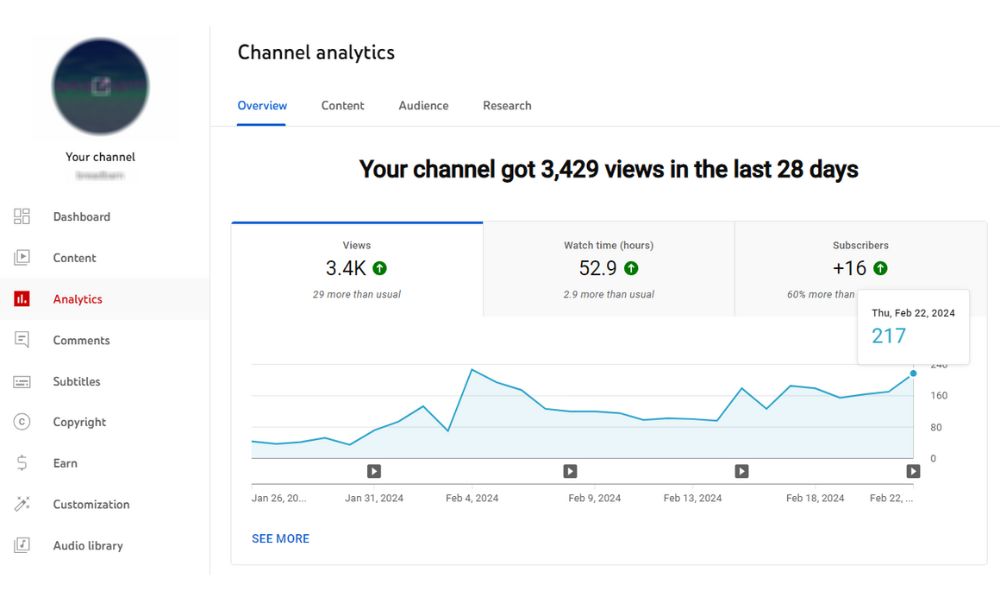
5. Use YouTube’s Analytics to Optimize Campaigns
Constantly tracking your performance helps you understand which ads are driving results and which aren’t. With YouTube Analytics, you can adjust your targeting, budget, and bidding strategies accordingly.
How to do it: Monitor key metrics like watch time, click-through rate (CTR), and cost per conversion. Use these insights to optimize your ad strategy and stop underperforming ads.
Is YouTube Advertising Worth It in 2026?
YouTube remains a powerful ad platform in 2026, offering unique advantages over other social media. Here’s why it’s still worth considering:
1. Compared to Other Platforms
YouTube stands out by blending search-based and interest-based targeting, making it a more effective platform for reaching the right audience. This approach surpasses what Facebook, Instagram, or TikTok can offer. Additionally, video ads on YouTube tend to engage viewers more deeply.
2. Ideal for Brand Awareness and Conversions
Brand Awareness: YouTube is perfect for reaching large, engaged audiences through skippable and bumper ads.
Conversions: With remarketing, YouTube can also drive strong results, making it effective for both awareness and action.
3. Integrating YouTube Ads into Your Strategy
To achieve optimal outcomes, it’s crucial to blend YouTube ads with other digital marketing strategies. This includes SEO and social media campaigns. Such an integrated approach significantly enhances brand recognition and boosts conversion rates.
4. Consider Your Budget and Goals
While effective, YouTube ads require careful planning. Smaller brands may start with a small budget and narrow targeting, while larger brands can scale with diverse ad formats for broader reach.
Final Thoughts: How Much Do YouTube Ads Cost
In 2026, YouTube ads present a significant opportunity for brands to boost visibility and drive conversions. With various pricing models and targeting options, businesses of all sizes can leverage YouTube to achieve their marketing objectives.
To maximize ROI, advertisers must grasp average costs, choose the right ad formats, and employ smart strategies. These include narrow targeting, remarketing, and A/B testing. By doing so, they can optimize their ad performance and achieve better results. Strategic planning and effective ad management are key to maximizing your YouTube ad spend without breaking the bank.
Moreover, BuzzVoice can enhance your YouTube campaigns by increasing organic engagement. This ensures your ads reach a wider audience.
FAQ
How much does it cost to advertise on YouTube in 2026?
The cost varies depending on factors like targeting, ad format, and competition. On average, CPV (Cost Per View) ranges from $0.01–$0.03, while CPM (Cost Per 1,000 Impressions) falls between $4–$12. Costs can be higher depending on your industry and audience targeting.
What is the best YouTube ad format for a small budget?
If you’re working with a limited budget, skippable in-stream ads are a cost-effective choice. These ads allow viewers to skip after 5 seconds, but they’re cheaper and can help you reach a broad audience efficiently.
Can I set a daily budget for my YouTube ads?
Yes, you can set both a daily and a lifetime budget. The daily budget helps control your spending daily, while the lifetime budget gives you more flexibility for time-bound campaigns.

BuzzVoice
BuzzVoice is the best place to go when you need instant engagement services on social media. Offering a wide variety of packages for Instagram, Youtube, Facebook, Twitter, Soundcloud & Tiktok.