Diabolical Meaning in Text: Why It’s All Over Social Media
“Diabolical” is an adjective that means something extremely bad or evil, but on social media, it has taken on an ironic and comedic twist, being used to describe everything from absurd situations to small everyday frustrations.
If you’re ready to take control of your digital presence, BuzzVoice is here to help boost your reach with TikTok real followers, Instagram reposts and YouTube likes, while keeping your autonomy intact.
What Does “Diabolical” Mean?
Literally, “diabolical” describes something so bad, cruel, or wicked that it feels almost evil. The word comes from the Greek ‘diabolos’ (devil). Its etymology traces through the Latin ‘diabolus’ and Late Latin ‘diabolicus,’ both of which are connected to the idea of slander, accusation, and particularly sinister or evil qualities.
In traditional usage, “diabolic” is applied to:
- Actions considered morally unacceptable.
- Meticulously cruel plans.
- Behaviors of extreme wickedness.
- Behaviors that are considered diabolical.
Diabolical is often used to describe behavior or actions that are diabolical in nature, emphasizing their connection to evil or devil-related characteristics.
| Context | Literal example |
|---|---|
| Crime | “The villain’s plan was diabolical.” |
| History | “A diabolical act during the war.” |
| Fiction | “A diabolical sorcerer cursed the land.” |
| Fiction/Crime | “The detective uncovered a diabolical plot to overthrow the city.” |
How “Diabolical” Became a Social Media Buzzword
On social media, the literal meaning has lost its intensity and has been replaced by a more casual and humorous usage.
Today, it’s common to see “diabolical” in:
TikTok: Videos exaggerating everyday frustrations – “The weather today is diabolical.”
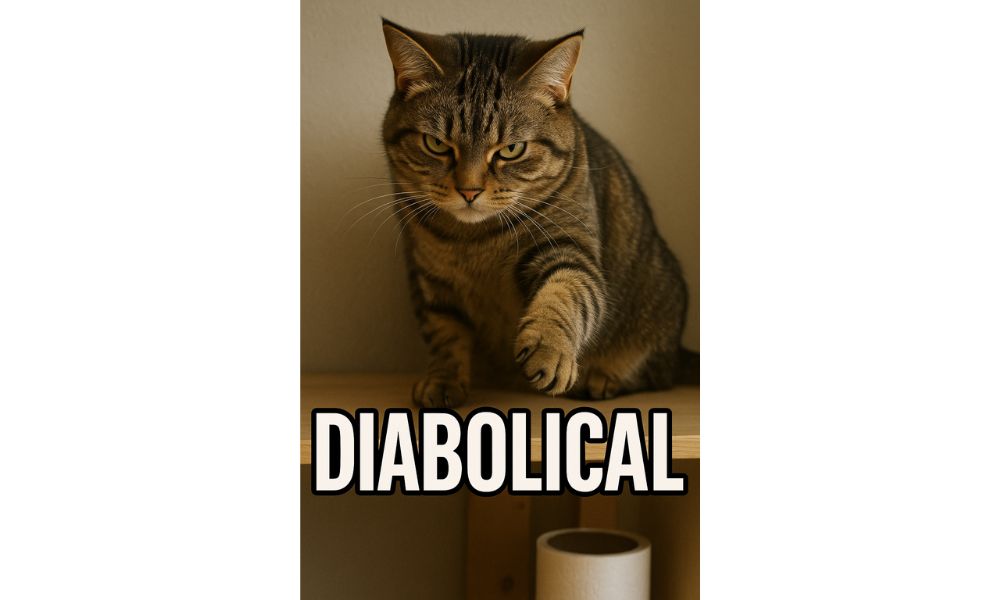
Memes: Pairing the word with funny images, such as animals with a “villainous” look.
Twitter/X: Dramatic or humorous discussions where exaggerated language grabs attention.
For creators looking to ride this trend, timing is key. Posting at the right moment and using popular hashtags can make a difference. Services like buying Instagram Likes or boosting TikTok Views can help your content reach a wider audience during the peak of the trend.
Related: “Gyatt” Meaning: The 2026 TikTok Slang Explained
Funny & Viral Uses Online
Meme culture loves exaggerated language, and “diabolical” fits perfectly.
Common online examples include:
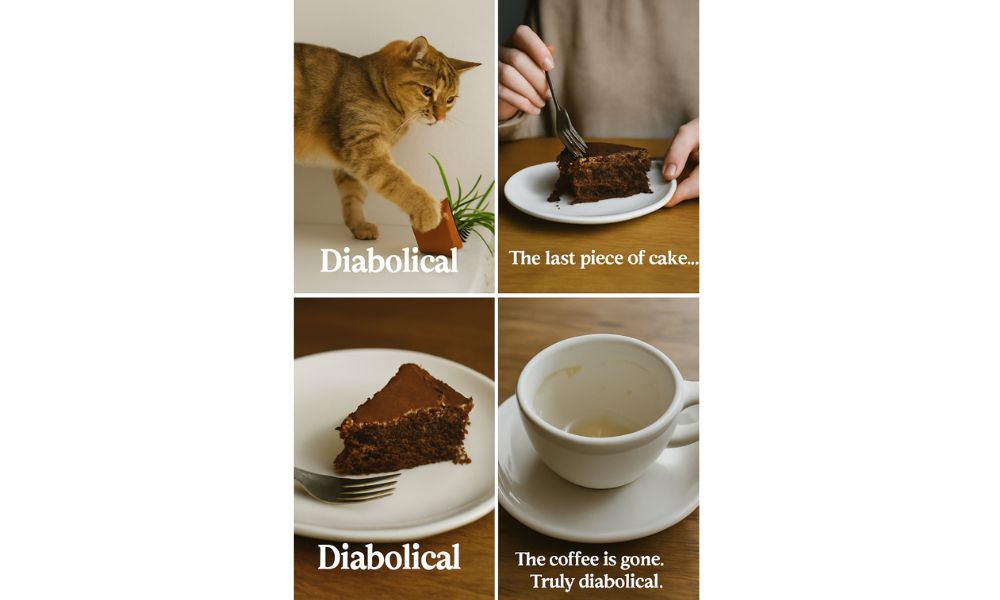
“Evil” animals – cats knocking things over or dogs with “scheming” expressions.
Small mischiefs – eating the last piece of cake and calling yourself “diabolical.”
Ironic humor – dramatizing trivial events, like “The coffee is gone… truly diabolical.”
|
Content Type |
Caption Example |
|
Animal meme |
“This kitten’s plan is truly diabolical.” |
|
Trivial situation |
“No Wi-Fi for 10 minutes… diabolical.” |
|
Online drama |
“Her plot twist was absolutely diabolical.” |
Just like expressions such as “RSVP” that have taken on new meanings online, “diabolical” shows how traditional words can get a fun twist on social media.
Using services like buying Instagram likes or boosting TikTok views can help your content reach more people and inspire potential clients.
Literal vs. Slang Meaning
Today, the use of the word varies greatly depending on the context:
|
Type of Use |
Meaning |
Example |
|
Literal |
Bad, cruel, wicked |
“A diabolical dictator.” |
|
Slang/Internet |
Comedic, exaggerated, ironic |
“Spilled my drink. Diabolical.” |
Younger users tend to use “diabolical” almost exclusively in a humorous way, avoiding the heavy negative weight of its original meaning.
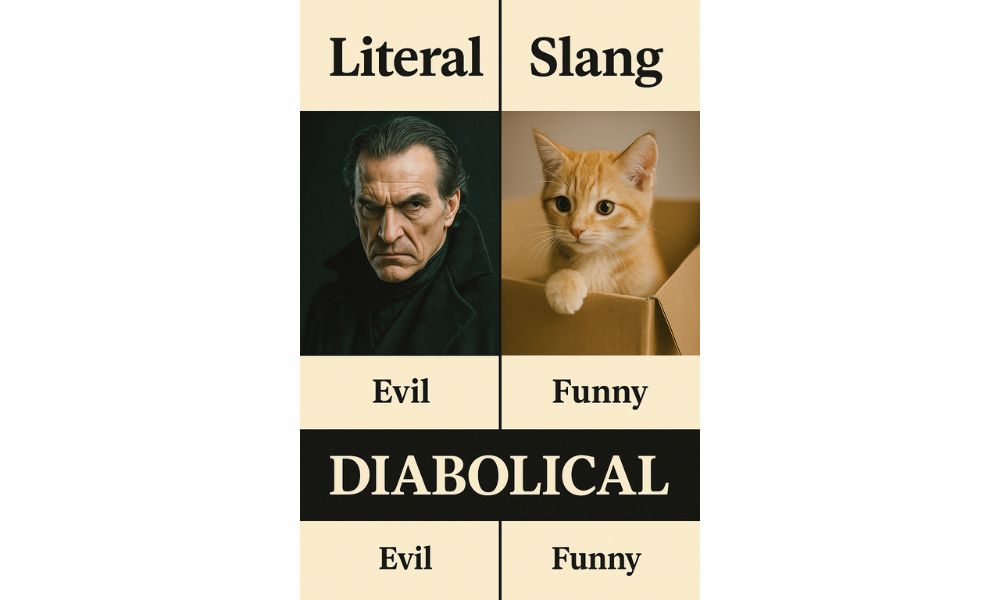
Just like slang terms such as “nonse” have very different meanings depending on context, “diabolical” also shifts between serious usage and the lighthearted, comedic tone typical of the internet.
Related: “Habibi” Meaning: Why It’s All Over Social Media
Why It Works So Well on Social Media
It’s short and impactful, easy to remember:
Works for both humor and drama.
Fits perfectly in captions, tweets, and short videos.
Creators and brands can use this trend to humanize their content, add humor, and build a closer connection with their audience.
If you want to make sure your video with the “diabolical” caption shows up in the right feed, you can invest in strategies like growing TikTok followers targeted by interest or promoting Instagram posts to reach fans of humor and memes without difficulty.
Related: What does ‘Caveat’ Mean? ‘Caveat Emptor’ and Other Meanings Explained
Conclusion
The meaning of “diabolical” has evolved from a term describing genuine wickedness to a versatile expression dominating memes, tweets, and viral videos.
Whether used to emphasize real drama or to laugh at something trivial, the word has become a perfect tool for sparking online reactions.
If you want your posts using this trend to reach more people, remember: combining viral trends with promotion strategies like buying YouTube views or Instagram likes could be the step that turns a funny post into a true viral hit.
FAQs
Is “diabolical” always negative?
Literally, yes. However, on social media, it can be used playfully and exaggeratedly for trivial situations.
Can you call someone “diabolical” in a funny way?
Yes. It’s common to call friends or even pets “diabolical” in an affectionate, humorous way. To create online impact, you can use “diabolical” with funny images or videos and promote that content through services like growing Instagram followers or boosting TikTok videos for audiences that enjoy viral humor.

BuzzVoice
BuzzVoice is the best place to go when you need instant engagement services on social media. Offering a wide variety of packages for Instagram, Youtube, Facebook, Twitter, Soundcloud & Tiktok.