“Habibi” Meaning: Why It’s All Over Social Media
If you’ve been on TikTok or Instagram lately, chances are you’ve heard someone say “habibi” either in a flirty caption, a dramatic lip sync, or a meme-worthy reply like “Yes, habibi 😍.”
The word ‘habibi’ is commonly used across social media platforms in various contexts. But what exactly does this word mean, and why is it everywhere right now?
Ready to grow your account and boost your posts? Improve content with BuzzVoice services as Instagram followers, TikTok views, and Facebook likes.
What Does the Arabic Word “Habibi” Mean?
At its core, “habibi” (حبيبي) is an Arabic word that means and is translated as “my love,” “my dear,” or “beloved.” It’s the masculine form of the word, meaning it’s typically used to address males.
- Habibi = means my love (to a man, males)
- Habibti = means my love (to a woman, females)
In Arabic-speaking language, “habibi” and “habibti” are used casually and affectionately, much like “sweetheart,” “babe,” “baby,” “friend,” or “honey” in English. You might hear parents calling their children “habibi,” or friends saying it playfully to each other.
In countries like Lebanon, Egypt, the UAE, and Morocco, it’s a warm, everyday word filled with emotion and love, whether romantic or platonic that conveys a sense of being loved and cherished.
Related: “Gyatt” Meaning: The 2026 TikTok Slang Explained
Why Is “Habibi” Trending on TikTok & Instagram?
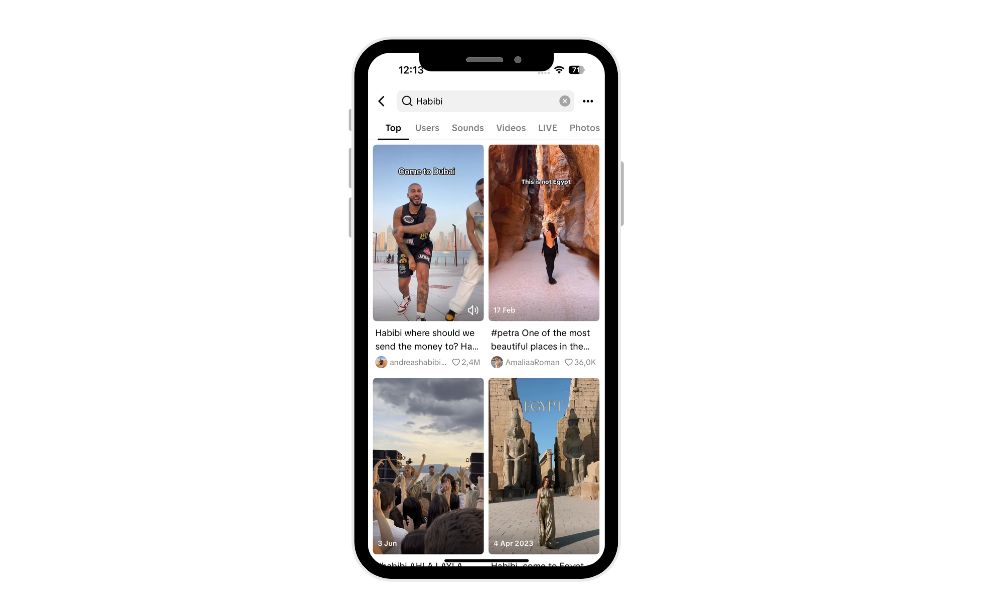
So how did a traditional Arabic term of endearment become a viral internet sensation? The word ‘habibi’ frequently appears in videos and movie clips on TikTok and Instagram, where users incorporate it into music, daily speech, and social interactions.
It all started with sounds
Many TikTok audio clips feature dramatic or sultry voiceovers with lines like:
- “Come here, habibi 😏”
- “Wallah, habibi, don’t do this to me.”
These sounds get paired with glamorous glow-ups, thirst traps, comedic skits, or even pets doing something adorable. The tone is often exaggerated, playful, romantic, or tongue-in-cheek. Sometimes, “habibi” is used with a sarcastic twist, as in memes where someone says, “I thought you were coming, habibi,” to highlight irony or disappointment.
Then came the memes. Instagram reels and TikTok trends started using “habibi” as a punchline, a vibe, or just to add flavor. In many casual, friendly exchanges, “habibi” can be used much like “bro,” emphasizing camaraderie or playfulness.
Today, “habibi” is an internet aesthetic often associated with:
- Luxurious or exotic vibes
- Flirtatious energy
- Middle Eastern or Mediterranean style edits
- Romantic captions with a dramatic twist
Improve your post/video content and grow your visibility with BuzzVoice TikTok views.
Related: What Does “Sigma” Mean Online? TikTok & Meme Explained
How to Use “Habibi” Correctly (Or Not)
Using “habibi” online is fun, but it also carries cultural weight. So let’s talk about when it’s cute and when it might cross a line.
In some cultures, especially in the Middle East, ‘habibi’ can even be used to address strangers in a friendly way, helping to create a sense of camaraderie or warmth. For example, you might hear someone say, “Nice to meet you, habibi,” when greeting someone new. It’s also common to use ‘habibi’ in emotional contexts, such as expressing longing: “I miss you, habibi.”
It’s okay to say:
- “Yes, habibi 😍” in a flirty meme reply
- “Good morning, habibi” to your partner or bestie
- “Come here, habibi” in a TikTok skit
Maybe skip it if:
- You’re mocking or stereotyping Arabic culture
- You don’t know what it means and just repeat it for laughs
- You’re using it in a context that’s romantic when it’s not appropriate
Many Arabic speakers welcome the use of “habibi” online, especially when it’s done with warmth and respect. But like any culturally specific term, context matters. If you’re unsure, observe how native speakers use it and follow their lead.
Related: 111 Angel Number Meaning: Why You Keep Seeing It in 2026
Examples of “Habibi” in Pop Culture
“Habibi” by Tamino — a hauntingly emotional track that gained massive popularity on TikTok
“Habibi” by Ricky Rich x ARAM Mafia — an upbeat bop often used in fashion and luxury content
TikTok captions: “POV: he finally texts back… yes, habibi”, often paired with videos or memes featuring terms like ‘baby’ or ‘friend’ for extra affection
Instagram memes: Photos of cats, babies, or chaotic friends with captions like “relax, habibi, we got this.”
Even celebrities and influencers are picking up the word you’ll spot “habibi” in story captions, comments, and even merch designs.
Conclusion
Whether you’re using it in a caption, a comment, or just vibing with a TikTok audio, “habibi” is more than just a viral word; it’s a meaningful term rooted in Arabic culture, full of warmth and affection.
Improve meta products as Facebook and Instagram, with BuzzVoice services including likes, followers, and views, and get a safer experience while you control your social media pages.
FAQs
What’s the difference between habibi and habibti?
Habibi = used when addressing a man (masculine form)
Habibti = used when addressing a woman (feminine form)
Both mean “my love” or “darling,” but the form changes depending on who you’re speaking to.
Is it okay to call someone “habibi” if you’re not Arabic?
Yes, especially if you use it respectfully and appropriately. People love it when others engage with their culture in a genuine, warm way. Just avoid overusing it in a mocking or stereotypical context.
Think of it like “babe,” it can be either, depending on the vibe.

BuzzVoice
BuzzVoice is the best place to go when you need instant engagement services on social media. Offering a wide variety of packages for Instagram, Youtube, Facebook, Twitter, Soundcloud & Tiktok.