What Does LMS Mean in Text on Instagram?
Instagram has transformed from a simple photo-sharing app into a global communication hub where users express themselves through visuals, captions, and short texts. Along with emojis and hashtags, abbreviations and internet slang dominate how people communicate on the platform. Whether it’s in comments, captions, or direct messages (DMs), these short forms make conversations quicker, trendier, and more engaging.
One abbreviation that often confuses users is LMS. You might have seen it in a comment like “LMS if you like this outfit” or a story caption such as “LMS for a TBH”. Many users pause and wonder: What does LMS mean in text on Instagram?
This article explores the meaning of LMS, how it’s used across Instagram, and why understanding its context is important. We’ll also look at variations of the acronym, its role in boosting engagement, and how brands and young adults use it differently.
BuzzVoice makes engagement simple. Boost your Instagram likes, views, and comments to look more influential and attract authentic audience attention.
What LMS Stands For
The most common meaning of LMS on Instagram is “Like My Status.” It’s a call-to-action (CTA) phrase that encourages users to like a post, story, or comment. When someone types “LMS,” they’re asking others to interact or respond—usually by liking a post or giving an honest opinion.
In other words, LMS stands for “Like My Status” in the context of social media platforms such as Instagram, Facebook, and TikTok.
However, LMS can also represent other phrases depending on context, such as:
- Let Me Stop
- Love Myself
- Let’s Meet Soon
- Laughing Myself Silly
- Last Man Standing
- Little Man Syndrome
- Leave Me Solo
- Learning Management System (used professionally or academically)
The meaning shifts based on where and how the abbreviation appears. On Instagram, though, “Like My Status” remains the most widely used and recognized definition.
How LMS Is Used in Instagram Texting
Instagram users often use LMS across different sections of the platform — including DMs, comments, captions, and stories. Each use case carries a slightly different tone or purpose.
1. In Captions
Creators and young adults often use LMS in captions to encourage engagement. For example:
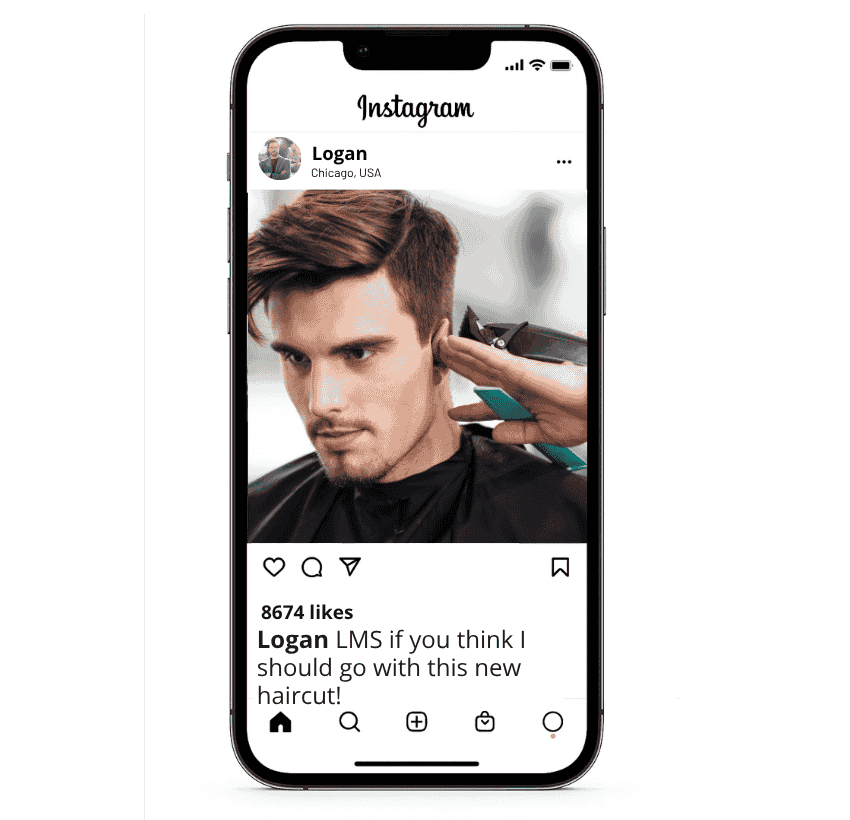
- “LMS if you think I should go with this new haircut!”
- “LMS for a TBH!”
Here, the phrase “LMS for a TBH” means “Like my status for a To Be Honest.” It’s a way to spark interaction — users who like the post might receive an honest opinion or compliment in return.
2. In Comments
Sometimes, you’ll find “LMS” in comment sections under posts or reels:
- “LMS if you’d wear this outfit too.”
- “LMS for shoutout in my story.”
It acts as a social prompt, motivating followers to interact and help the post gain more visibility.
Related: What Does ONS Mean on Instagram?
3. In Direct Messages (DMs)
In DMs, LMS can be used in private conversations:
- “LMS if you want to hang out soon.”
- “LMS when you finish that video.”
In this sense, LMS is shorthand for prompting a response or action. It keeps the tone casual and friendly.
Overall, the LMS trend is built around participation and engagement. It’s part of how users maintain interaction loops — liking, commenting, and responding — to remain visible on their friends’ feeds.
Common Variations and Related Terms
While LMS usually means “Like My Status,” the abbreviation has developed multiple interpretations based on tone and community. Let’s explore the most common variations and related terms:
1. LMS – Let Me Stop
One of the more humorous interpretations of LMS is “Let Me Stop.” It’s often used when someone realizes they’re about to say something funny, dramatic, or potentially controversial—and they pull back playfully.
This version of LMS has become popular in casual texting, memes, and comment sections. It helps convey a mix of humor and self-awareness, signaling that the person knows they’re going too far and needs to stop themselves before saying more.
Example:
- “I was just about to roast his entire outfit… LMS 😭.”
- “She really thinks that filter looks natural—LMS before I say something rude.”
Here, LMS acts like a pause button, letting the speaker maintain humor without escalating the tone. It’s often paired with emojis like 😂, 😭, or 😅 to express amusement.
Context:
Use “Let Me Stop” in conversations when joking, teasing, or trying to express restraint. It works best among friends who understand your humor and tone.
💡 Pro Tip: Get Instagram followers from BuzzVoice and grow your audience quickly with real people who make your account look more influential.
2. LMS – Love Myself
In more positive and self-affirming contexts, LMS stands for “Love Myself.” This meaning aligns with the rise of self-love and confidence movements on platforms like Instagram and TikTok. Users, especially young adults, use it to promote self-acceptance, mental health awareness, and self-care.
Example:
- “Finally learned to prioritize my peace 💅 #LMS.”
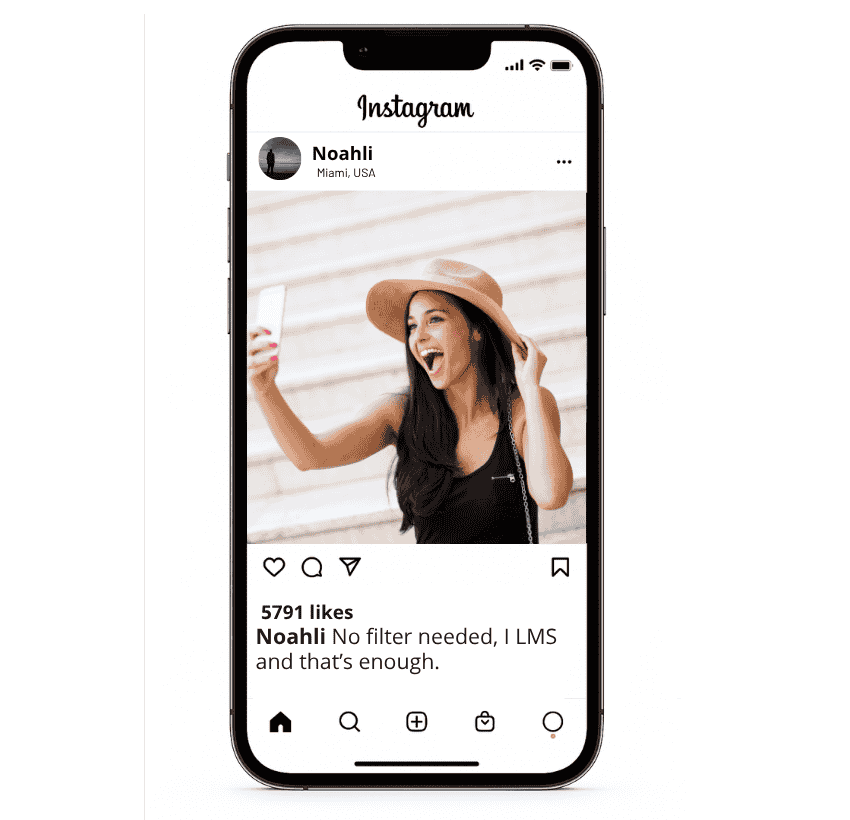
- “No filter needed, I LMS and that’s enough.”
Here, LMS becomes a statement of confidence and empowerment. It’s often used in photo captions, motivational posts, or stories showing personal growth.
Context:
“Love Myself” fits perfectly in positive posts, self-portraits, or motivational reels. It connects with audiences who value authenticity and personal progress, making it a trend that celebrates individuality.
3. LMS – Let’s Meet Soon
Another friendly and personal interpretation is “Let’s Meet Soon.” This meaning is common among close friends or long-distance acquaintances who want to reconnect. It’s a warm, conversational phrase often used in DMs or story replies.
Example:
- “It’s been forever since we last hung out—LMS! ☕”
- “Missing our brunch dates, girl. LMS this weekend?”
Unlike the engagement-focused “Like My Status,” this version emphasizes real-world connection. It’s an example of how internet slang blends digital communication with real-life interaction.
Context:
Use “Let’s Meet Soon” in private messages or friendly comments when suggesting plans or expressing longing to see someone. It adds a personal touch that strengthens relationships beyond social media.
4. LMS – Laughing Myself Silly
When used in a humorous setting, LMS can mean “Laughing Myself Silly.” Similar to “LOL” or “LMAO,” it conveys laughter or amusement in a conversation, meme comment, or reaction.
Example:
- “That video had me in tears, LMS 🤣.”
- “You really said that out loud? LMS 😂.”
It’s not as common as LOL or ROFL but still circulates among users who enjoy mixing up their slang for variety.
Context:
“Laughing Myself Silly” fits best in group chats, meme pages, or funny post comments. It adds a bit of originality to your reaction while keeping the tone light and engaging.
5. LMS – Learning Management System
Outside of social media slang, LMS has a formal and professional meaning: “Learning Management System.” This refers to digital platforms used for training, education, or e-learning, such as Moodle, Canvas, or Google Classroom.
On Instagram, this version may appear on educational pages, academic profiles, or corporate posts discussing progress, training, or online courses.
Example:
- “Our company just upgraded its LMS for smoother onboarding!”
- “Students, please log into the LMS to complete your assignments.”
Context:
While this meaning is far from Instagram’s casual vibe, it’s common among teachers, trainers, and students who blend academic updates with social media presence.
6. LMS – Last Man Standing
In gaming, sports, and challenge-based posts, LMS often stands for “Last Man Standing.” This phrase refers to the final person remaining in a competition, whether it’s a video game, contest, or friendly group challenge.
Example:
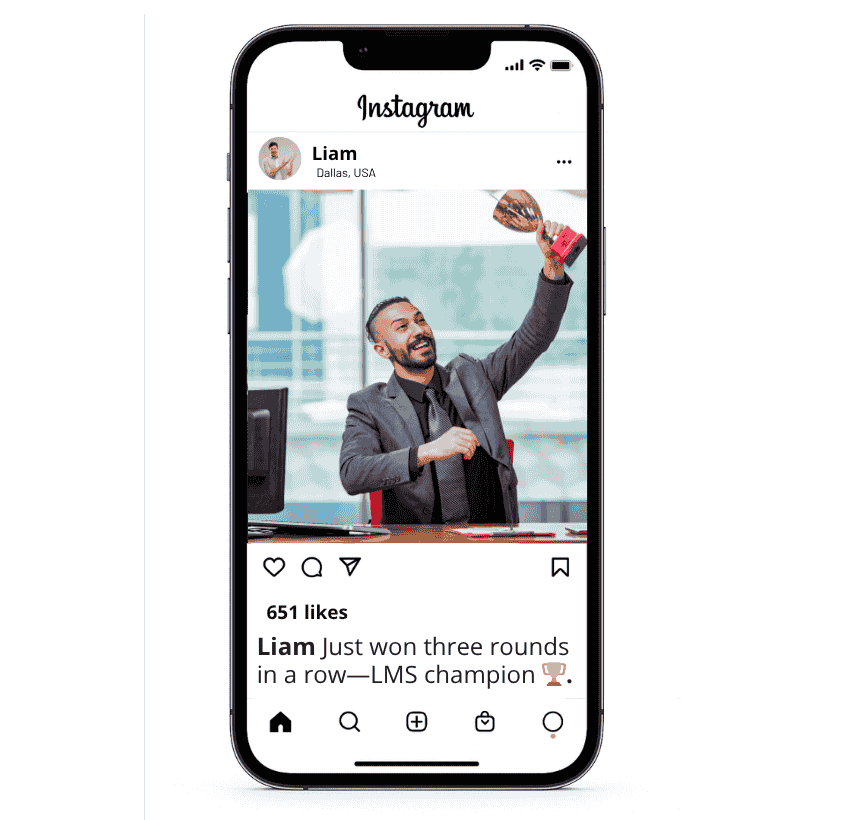
- “Just won three rounds in a row—LMS champion 🏆.”
- “Only one person left in the dodgeball match, who will be LMS?”
Context:
Gamers and athletes frequently use this version in reels, gaming highlights, or sports memes. It symbolizes endurance, victory, and competition—qualities that resonate across entertainment communities.
7. LMS – Little Man Syndrome
Another slang variation is “Little Man Syndrome.” It describes a person—often male—who overcompensates for perceived shortcomings, usually related to height or confidence. Though controversial, this version of LMS appears frequently in memes and humorous captions.
Example:
- “He picked a fight with everyone at the gym… total LMS vibes 💀.”
- “Why’s he so defensive all the time? LMS detected 😂.”
Context:
While sometimes used jokingly, this meaning should be applied cautiously to avoid offending others. It’s typically found in meme culture or social commentary posts, not in personal messages.
Related: What Does It Mean When Someone Mentions You on Instagram Live?
8. LMS – Leave Me Solo
Finally, “Leave Me Solo” represents independence or the desire for solitude. Users might post it to express emotional distance or confidence in being alone.
Example:
- “No bad vibes, just me vibing alone—LMS.”
- “Sometimes you’ve got to LMS to find peace.”
Context:
This meaning appears in aesthetic captions, moody selfies, or breakup posts. It reflects the emotional transparency often seen in Gen Z’s online language—balancing vulnerability with self-assertion.
The Meaning of LMS in Different Contexts
The LMS meaning can shift depending on who’s using it and why. Here’s how it functions across Instagram communities:
1. Friendship and Fun Posts
Among friends, “LMS” is mainly about having fun and interacting. A typical example might be:
- “LMS if you remember this day!”
- “LMS and I’ll tell you what I think of you.”
These posts help keep conversations alive and build connection through simple actions like hitting the like button.
2. Influencers and Brands
For influencers and small businesses, “LMS” becomes part of a social media strategy.
When brands say “LMS for a surprise” or “LMS if you love our new collection,” they’re driving engagement to boost post visibility. Since Instagram’s algorithm favors interaction, every like increases reach and potential conversions.
3. Stories and Reels
On stories or short videos, LMS prompts viewers to react or engage. For instance:
- “LMS if this made you laugh!”
- “LMS for part 2!”
This keeps users participating actively and watching more content — enhancing overall effectiveness and interaction.
When and Where to Use LMS in Conversations
Using LMS effectively depends on context, tone, and purpose. Below are a few practical tips and examples:
- When sharing updates:
“Got my new haircut — LMS if it suits me!”
→ Encourages feedback and boosts engagement. - When posting relatable memes:
“LMS if you’ve ever felt this way 😂.”
→ Invites users to connect emotionally or humorously. - When starting a challenge or game:
“LMS to join the next round!”
→ Promotes participation and community spirit. - When talking in DMs:
“LMS when you’re done watching the movie.”
→ Keeps the conversation natural and casual.
Overall, the right time to use LMS is when you want others to react, participate, or acknowledge something you’ve shared.
Misinterpretations and Confusions Around LMS
Like most internet slang, LMS can cause confusion due to its multiple meanings. A few common misunderstandings include:
- Confusing “Like My Status” with “Learning Management System” in professional or academic contexts.
- Thinking it’s aggressive or rude, when it’s actually playful or casual.
- Assuming it’s always about likes, though sometimes it’s just a conversation starter.
The LMS acronym reflects how social media language evolves quickly. Meanings often depend on age group, community, or platform. For example, young adults might say “LMS for a TBH,” while older users could interpret it as “Learning Management System.”
LMS Beyond Instagram
The LMS trend didn’t originate on Instagram — it first appeared on Facebook, where users would post statuses like:
- “LMS for a rate!”
- “LMS for an honest opinion!”
Over time, the trend migrated to Instagram, TikTok, Snapchat, and YouTube. On each platform, the meaning stays similar: it’s a request for engagement or interaction.
For instance:
- Facebook: “LMS if you think this memory is still iconic.”
- TikTok: “LMS if you want part 2 of this video.”
- Snapchat: “LMS and I’ll send you a snapback.”
- YouTube: “LMS if you enjoyed the clip!”
Across these platforms, the phrase connects people through participation, reinforcing the social aspect of digital communication.
Why Context Matters for “LMS”
Context determines the true meaning of LMS. In a comment under a selfie, “LMS” might mean “Like My Status.” But in a professional message, it could mean “Learning Management System.”
For example:
- “Our company’s LMS is under maintenance” → Learning Management System
- “LMS for a TBH on your new post” → Like My Status
That’s why understanding the setting, tone, and intent behind the message is essential. Misreading context can lead to awkward or incorrect interpretations.
The Role of LMS in Boosting Engagement
On Instagram, engagement is everything. The more likes, comments, and interactions a post gets, the more likely it appears on others’ feeds or the Explore page. LMS naturally supports this system by prompting users to interact.
Here’s how LMS helps increase engagement:
- Encourages Participation: Followers respond with likes or comments.
- Improves Visibility: Instagram’s algorithm rewards interactive posts.
- Creates Connection: It fosters direct interaction between users.
- Builds Momentum: The more people engage, the higher the reach.
In short, LMS is not just a trend—it’s a social engagement tool that keeps conversations flowing and communities active.
Examples of LMS Usage on Instagram
Here are several real-style examples showing how users apply LMS:
- “LMS if you’d buy this outfit 👗.”
- “LMS and I’ll rate your last picture.”
- “LMS for a funny meme drop later 😂.”
- “New video out! LMS if you watched till the end.”
- “LMS to play the next round — last person standing wins!”
Each version connects the LMS meaning with interaction, whether it’s a like, a comment, or participation in a challenge.
LMS in the Age of Internet Slang
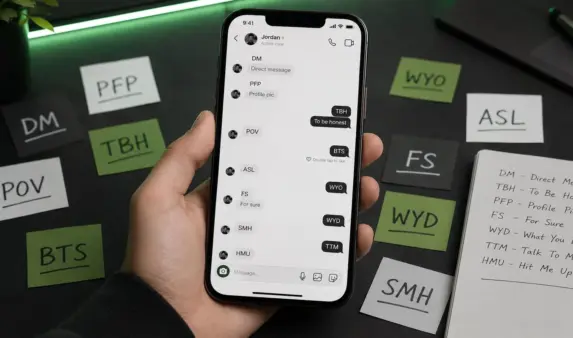
The rise of LMS mirrors the broader evolution of internet slang. Abbreviations like TBH (To Be Honest), FYP (For You Page), and LMK (Let Me Know) simplify communication and make it feel more natural within fast-paced digital environments.
Similar trends exist across platforms — users shorten words not just for convenience, but also for style and relatability. LMS fits this pattern perfectly: short, engaging, and community-driven.
How LMS Differs from Similar Terms
A few related terms often appear alongside LMS:
- L4L (Like for Like): A mutual engagement trend — “I’ll like your post if you like mine.”
- F4F (Follow for Follow): A strategy to gain followers.
- TBH (To Be Honest): Often paired with LMS — “LMS for a TBH.”
- R4R (Repost for Repost): Used for promotional exchanges.
While L4L and F4F are reciprocal actions, LMS is more of a one-way request—asking others to engage without necessarily promising a return.
💡 Pro Tip: BuzzVoice makes it simple to grow likes quickly, helping you rank better on hashtags, explore pages, and feeds.
Tips for Using LMS Effectively
To make LMS more impactful and authentic on Instagram, consider the following:
- Pair it with value: Instead of just “LMS,” add context like “LMS for an honest opinion.”
- Stay authentic: Use LMS naturally, not just as a tactic for more likes.
- Mix formats: Use LMS in stories, reels, or polls to keep it interactive.
- Avoid overuse: Using LMS in every post can appear spammy.
- Engage back: When people like your post, respond or message back to maintain connection.
These simple strategies make the LMS trend more meaningful and effective.
LMS Beyond Likes — A Reflection of Social Media Culture
At its core, LMS isn’t just about likes — it’s about seeking validation, communication, and inclusion. For many young adults, receiving likes means feeling acknowledged. The phrase “Like My Status” reflects how social approval plays a role in digital identity.
However, excessive reliance on likes can also lead some to feel insecure if they don’t receive the expected response. Hence, while LMS can boost engagement and confidence, it’s best used playfully and with balance.
Conclusion
LMS might look simple, but it carries deep significance in how people communicate on social media platforms. From “Like My Status” to “Love Myself,” its meanings show how internet slang evolves with creativity and culture.
On Instagram, using LMS is a fun, effective way to boost engagement, connect with followers, and keep conversations alive. Whether you’re posting a new haircut, sharing a meme, or promoting a product, the phrase “LMS” invites participation — making your content part of the ever-evolving social dialogue.
FAQs
What does LMS stand for Gen Z?
For Gen Z, LMS stands for “Like My Status.” It’s a request to like a post, picture, or story — often followed by a reward like a TBH or rating.
Can brands use LMS in marketing?
Yes, many brands use LMS-style captions like “LMS if you love our new launch!” to drive interaction, visibility, and engagement.
What’s the difference between LMS and L4L?
LMS is a one-sided engagement prompt, while L4L (Like for Like) is mutual — both users agree to like each other’s posts.
Does LMS help boost engagement on Instagram?
Absolutely. LMS invites followers to participate, comment, or react, which can increase visibility and organic reach under Instagram’s engagement-based algorithm.

BuzzVoice
BuzzVoice is the best place to go when you need instant engagement services on social media. Offering a wide variety of packages for Instagram, Youtube, Facebook, Twitter, Soundcloud & Tiktok.