How Much Does YouTube Pay Per View in 2026: Full Guide
Break the myth: not all views are equal. In 2026, YouTube payouts depend on several factors like CPM, niche, audience demographics, and engagement. So, how much does YouTube pay per view? Let’s break it all down!
Boost Your YouTube Growth with Buzzvoice 🚀
Want to maximize your YouTube earnings faster? Get real views, likes, and subscribers delivered safely and quickly with Buzzvoice! Whether you’re just starting or aiming to grow even bigger, Buzzvoice helps you build the social proof you need to succeed.
👉 Buy YouTube Views, Likes & Subscribers today and watch your channel thrive!
How Does Youtube Pay For Views?
YouTube monetization is the process by which creators can earn money from their YouTube videos. This can be done through various methods, including ads, sponsorships, and merchandise sales.
The YouTube Partner Program is the gateway to earning money on YouTube. By joining the YPP, creators gain access to multiple monetization features, such as ad revenue, channel memberships, and Super Chats. Ad revenue is generated from ads displayed on YouTube videos, and the amount earned depends on factors like ad impressions, video views, and audience engagement.
In addition to ad revenue, creators can also earn money through sponsorships, where brands pay for product placements or integrations in videos. Merchandise sales offer another revenue stream, allowing creators to sell branded products directly to their audience.
Understanding YouTube’s Monetization Model
What are CPM, RPM, and CPC?
CPM (Cost Per Mille): What advertisers pay per 1,000 ad impressions. This varies widely depending on niche and audience.
RPM (Revenue Per Mille): What creators earn per 1,000 views, after YouTube takes its cut (typically 45%).
CPC (Cost Per Click): What advertisers pay when a viewer clicks on an ad.
YouTube Partner Program (YPP) in 2026
To monetize via ads, creators must:
Have 1,000 subscribers
Have 4,000 valid public watch hours (or 10M Shorts views in 90 days)
Comply with all YouTube policies
Have an AdSense account linked
Monetized Views vs Total Views
Not every view includes an ad. Monetized views are typically 40-80% of total views, depending on audience, content, and seasonality.
How Much Does YouTube Pay Per 1,000 Views?
Average CPM Rates by Niche
Entertainment: $1–$4 CPM
Gaming: $2–$6 CPM
Education: $4–$10 CPM
Finance: $10–$25+ CPM
Global Averages vs. Top Markets
U.S.: $6–$12 CPM
UK: $5–$10 CPM
Canada: $5–$9 CPM
Global average: $2–$5 CPM
RPM Breakdown With Examples
Example: If a finance channel has a $15 CPM, after YouTube’s cut, the RPM might be around $8.25. So for every 1,000 views, the creator earns $8.25.
It’s important to note that YouTube’s CPM varies significantly based on geographic location, with some countries offering higher CPM rates than others.
How Much Do YouTubers Earn Per View?
Calculation Breakdown
With a $2–$5 CPM, creators earn $0.002 to $0.005 per view.
Realistic Expectations
100,000 views = $200 to $500
1,000,000 views = $2,000 to $5,000. Higher-paying niches like finance or tech can exceed this range significantly.
Here we have a more illustrative example:
What Influences YouTube Pay-Per-View?
Audience Location
Ads targeted at viewers in the U.S., UK, and Canada typically generate higher CPMs.
Video Length and Ad Types
Videos over 8 minutes allow mid-roll ads, boosting revenue.
Skippable vs non-skippable ads impact earnings.
Engagement Rate
Higher engagement means better ad performance, which can lead to better ad placement and rates.
Channel Niche
High-paying niches: finance, tech, health, law. Low-paying niches: general vlogging, comedy, gaming (though gaming has high volume potential).
YouTube Shorts Monetization: Different Rules?
Shorts Fund vs Ad Revenue
Previously funded by the YouTube Shorts Fund, Shorts now rely more on ad revenue.
RPM for Shorts vs Long-Form
RPM for Shorts tends to be lower, around $0.01–$0.06 per view, but volume can make up for it.
Here we have an example of values through shorts, the easiest method to gain engagement and followers, but the reduction in the payment value of the video will be much smaller.
Monetization Challenges in 2026
Lower RPMs
Limited ad types
Shorter watch time = fewer monetization opportunities
Other Ways YouTubers Make Money Beyond Views
Sponsorships
Brands pay flat fees or commissions for product placements or integrations. These deals often bring in more income than ad revenue, especially in niche markets with engaged audiences.
Sponsorships also help boost credibility when aligned with your content’s message and audience.
Affiliate Marketing
Earn commissions by promoting products through affiliate links. The more trust you build with your audience, the more likely they are to buy based on your recommendations.
It’s a passive income stream that grows with your content and reach over time.
Super Chats, Memberships, Merch
Super Chats: Live donations from fans. A great way to monetize live streams while boosting real-time engagement. It also encourages interaction, making viewers feel more connected and seen.
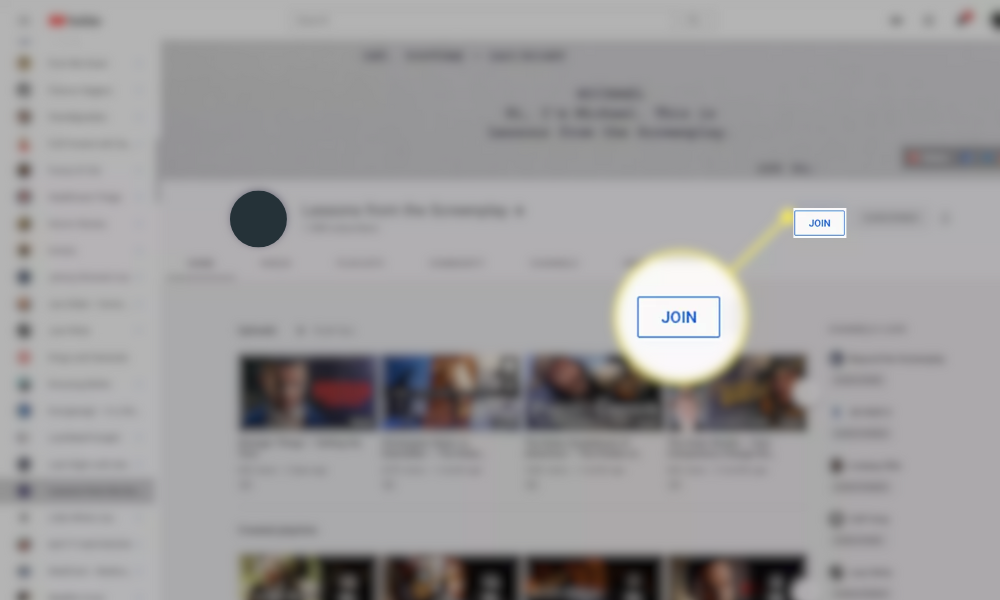
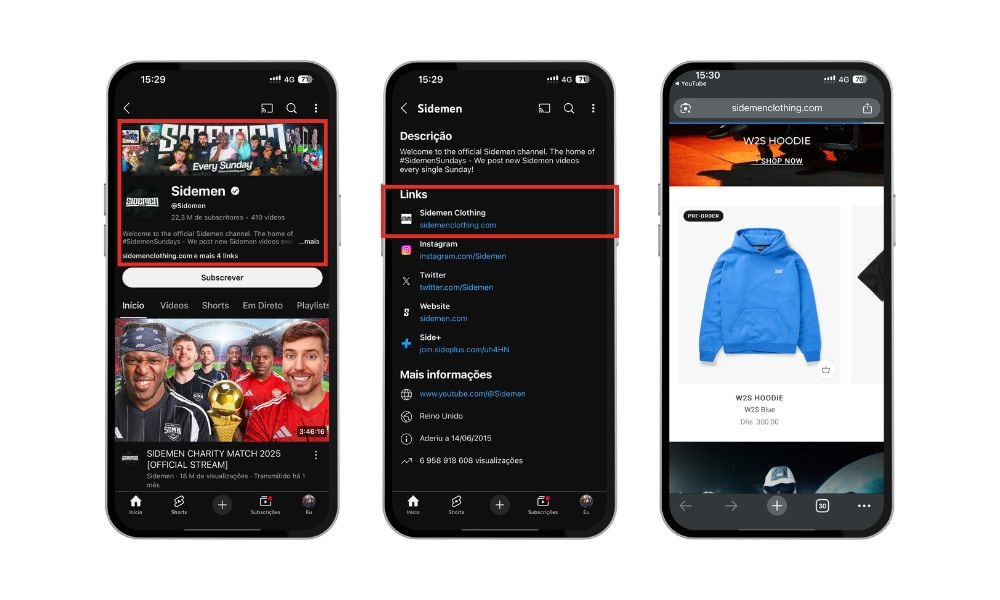
Channel Memberships: Recurring monthly income. Members get access to perks like exclusive content, badges, and community posts. These perks can create a sense of community and reward loyal followers. If you are interested in what the process is like to become a member of a YouTube profile or channel, the following image will explain.
Merchandise: Branded products sold through YouTube’s merch shelf. Merch helps solidify your brand and turns fans into walking ambassadors. It’s also a creative way to express your identity and extend your content beyond the screen.
YouTube Premium and Monetization
YouTube Premium is a paid subscription service that allows viewers to watch videos without ads. Creators can still earn money from YouTube Premium, but it’s based on the number of views their videos receive, rather than the number of ads displayed.
YouTube Premium members pay a monthly fee, and a portion of that fee is allocated to creators based on the number of views their videos receive. This provides an alternative revenue stream for creators, in addition to ad revenue.
Some key terms to keep in mind when it comes to YouTube monetization include:
- YouTube Partner Program (YPP): The program that allows creators to earn money from their videos through ads.
- Ad revenue: The money earned from ads displayed on videos.
- YouTube Premium: A paid subscription service that allows viewers to watch videos without ads.
- YouTube Studio: The platform where creators can manage their channel, track their performance, and adjust their strategy.
- Google AdSense: The platform that handles ad revenue payments to creators.
- Ad impressions: The number of times an ad is displayed on a video.
- Advertising revenue: The money earned from ads displayed on videos.
- YouTube partner agreement: The agreement that creators must sign to participate in the YPP.
- YouTube income: The money earned from YouTube, including ad revenue, sponsorships, and merchandise sales.
- YouTube creators: The individuals who create content on the platform.
- YouTube earnings: The money earned by creators from their videos.
- Ad view: The number of times an ad is displayed on a video.
- YouTube’s channel memberships: A feature that allows creators to offer exclusive content to their fans in exchange for a monthly fee.
- Average YouTube pay rate: The average amount of money earned by creators per 1,000 views.
- YouTube Premium members: The viewers who pay for the premium subscription service.
- Multiple ads: The ability to display multiple ads on a single video.
- Long-form videos: Videos that are longer than 10 minutes.
- Ad blockers: Software that blocks ads from being displayed on videos.
- YouTube revenue: The money earned by the platform from ads and other sources.
- Make money on YouTube: The various ways that creators can earn money on the platform.
- Longer videos: Videos that are longer than 10 minutes.
- Long video: A video that is longer than 10 minutes.
- Ads displayed: The number of ads displayed on a video.
- Brand deals: Partnerships between creators and brands to promote products or services.
- Watch ads: The ability to display ads on videos.
- Watch-through rate: The percentage of viewers who watch a video from start to finish.
- Earn ad revenue: The process of earning money from ads displayed on videos.
- YouTube’s CPM varies: The cost per thousand impressions (CPM) varies depending on factors such as the niche and audience engagement.
- Super stickers: A feature that allows viewers to purchase stickers to be featured in the live chat.
- Page monetization module: A feature that allows creators to earn money from ads displayed on their videos.
- Potential ad revenue: The amount of money that can be earned from ads displayed on videos.
- Revenue streams: The various ways that creators can earn money on the platform.
- Pre-roll ads: Ads that are displayed before a video starts playing.
- Super chats: A feature that allows viewers to pay for their messages to be featured in the live chat.
- Ad breaks: The ability to display multiple ads on a single video.
- Revenue share: The percentage of ad revenue that creators earn.
- Affiliate sales: The process of earning money from the sales of products or services promoted in videos.
- AdSense account: The account that handles ad revenue payments to creators.
- Available ad formats: The different types of ads that can be displayed on videos.
Tips to Maximize Your YouTube Earnings
Increase Watch Time and Engagement
Use hooks, end screens, and community posts to boost retention. The longer viewers stay, the more ads they see and the more revenue you generate.
Target High-CPM Niches
Create valuable content in niches like investing, business, or tech. These areas attract premium advertisers willing to pay more per 1,000 views.
Use Mid-Roll Ads Smartly
Add mid-roll ads to videos over 8 minutes, ideally in natural breaks. Well-placed ads can increase revenue without disrupting the viewer experience.
Build a Loyal Subscriber Base
A consistent audience leads to better engagement and higher CPMs. Loyal subscribers are more likely to share your content and support monetization efforts beyond ads.
Final Thoughts: Views Matter, But Strategy Pays More
Chasing viral views can be exciting, but sustainable income on YouTube comes from consistency, quality content, and audience loyalty. CPMs fluctuate, so creators who rely only on views may see unpredictable earnings.
Instead, focus on building a strong niche, engaging your viewers, and diversifying income through sponsorships, merch, and memberships. Long-term success on YouTube isn’t about going viral, it’s about delivering value and growing a loyal community that keeps coming back.
If you want to grow your YouTube channel with more subscribers, viewers, and likes, visit the BuzzVoice services.
FAQ
How much money do you make per view on YouTube in 2026?
In 2026, YouTubers typically earn between $0.002 to $0.005 per view, depending on factors like audience location, content niche, and engagement. That’s roughly $2–$5 per 1,000 views.
Why do CPM and earnings vary so much between channels?
Earnings vary due to niche type, viewer location, and advertiser demand. For example, finance or tech content often has a higher CPM than entertainment or lifestyle videos.
Do all YouTube views count toward earnings?
No. Only monetized views generate revenue. A view only counts if an ad was served and not skipped too early. Typically, 40–80% of views are monetized.
How much does YouTube pay for 1 million views?
Depending on the CPM, 1 million views can earn a creator anywhere from $2,000 to over $15,000. Higher-paying niches like finance or business can reach the top end of that range.
Can Shorts earn as much as long-form videos?
Not usually. YouTube Shorts tend to have a lower RPM around $0.01–$0.06 per view, but the volume of views can compensate. Monetization rules for Shorts are also different, focusing more on ad pools than direct CPM.

BuzzVoice
BuzzVoice is the best place to go when you need instant engagement services on social media. Offering a wide variety of packages for Instagram, Youtube, Facebook, Twitter, Soundcloud & Tiktok.