YouTube vs TikTok: Which Platform is Better in 2026?
·BuzzVoice·9 min read
YouTube and TikTok are at the top of the video-sharing world. The debate of TikTok vs YouTube often centers on their distinct strengths, weaknesses, and target demographics. YouTube has over 2 billion users every month. TikTok has more than 1 billion. These platforms are key to digital culture.
Choosing between them is crucial for creators and brands. This guide will help you understand their strengths. We’ll look at video length, audience preferences, and how to make money. including smart strategies like buying YouTube views to boost visibility.
Find out which platform fits your goals. Whether it’s building a loyal YouTube audience or catching TikTok’s trends. Learn how each platform’s algorithms affect your content’s visibility.
Key Takeaways
YouTube’s 2 billion users prefer longer videos, while TikTok’s 1 billion engage with short-form clips.
Creators can target specific demographics: TikTok’s audience leans younger, while YouTube attracts a broader age range, making it crucial to identify the target audience for effective content strategy.
Choosing between these video platforms depends on goals: YouTube for depth, and TikTok for rapid reach.
The Rise of Video Content Platforms
Video platforms have changed how we share stories, from short clips to long documentaries.
Why Short-Form Videos Rule Now
“Short-form videos are the new attention span.” Short-form videos changed how we make content. TikTok’s 15-second clips need to grab attention fast. This shift made social media transformation focus on quick, creative content. Challenges like the “Renegade” dance show how short videos can go viral.
Knowing who watches on YouTube demographics and tiktok audience is crucial for making great content. Different demographics post videos on YouTube and TikTok, utilizing the platforms’ unique features to engage with their audiences.
YouTube’s Broad Age Range and Global Reach
YouTube isn’t just for millennials. It also attracts Gen Z and older folks. With versions in over 100 countries, it reaches people of all ages. Families, professionals, and learners find a wide range of content here. Long-form content appeals to YouTube’s broad audience, offering in-depth storytelling and detailed exploration of topics.
For instance, educational videos do well on YouTube. But TikTok’s tiktok audience skews younger.
TikTok’s Gen Z Dominance
“60% of TikTok users are under 25,” reports 2023 Pew Research data. While older users are growing, Gen Z remains the core. Their love for short videos, trending sounds, and humor drives what goes viral. Brands like Chipotle and Sephora win by matching this vibe.
15-60 second clips, trending challenges, and quick wit
For example, a skincare brand might share detailed reviews on YouTube. But on TikTok, they could post quick makeup tips. Match your content’s tone, music, and trends to your audience’s preferences.
Content Formats and Length Differences
YouTube and TikTok have different approaches to video format comparison.YouTube allows videos from 30 seconds to 8K documentaries.TikTok, on the other hand, focuses on tiktok short videos, starting at 15 seconds and now up to 10 minutes. Both platforms have their platform-specific formats, influencing how content is created and viewed.
YouTube is all about depth. It’s great for long-form videos like tutorials, movie reviews, or vlogs. TikTok, however, is all about quick, attention-grabbing content. Challenges, dance trends, or fast cuts work best in under 30 seconds.
Technical specs also play a role. YouTube accepts both horizontal and vertical videos, with no length limits.TikTok, though, requires vertical videos and strict time limits. This leads to different content styles: YouTube’s high-quality, long videos versus TikTok’s quick, shareable video clips.
Creators need to adjust their approach. A beauty tutorial on YouTube might take 10 minutes, while TikTok’s version is just 15 seconds. The storytelling style also changes. YouTube builds trust with slow pacing, while TikTok demands quick, impactful content. It’s all about the creator’s goals: teaching or going viral, depth or quickness.
YouTube vs TikTok: Algorithm and Discovery Features
Every viral video has a secret system behind it. Let’s explore how the YouTube algorithm and TikTok for your page decide what we see. Both platforms use video recommendation systems to keep us engaged. But they do it in very different ways.
YouTube’salgorithm looks at watch time, click-through rate, and search history to decide what to show. It mixes personalized videos with trending ones. This helps creators who know how to make their titles stand out. The average YouTube video is longer and tends to require more editing and production quality, which the algorithm takes into account.
TikTok’s for You page relies on instant feedback. Every like or swipe helps decide what video to show next, making TikTok all about quick, real-time engagement.
YouTube’s Recommendation Engine Decoded
Focuses on 6 core metrics including session duration and retention rates
Uses keywords, tags, and metadata to categorize videos
Subscribers see new content automatically, but algorithmic reach still matters
Tests video variations using A/B testing with micro-audiences
Rewards trending sounds, hashtags, and visual trends instantly
Factor
YouTube
TikTok
Discovery Speed
Days/weeks
Hours/days
Key Success Metric
Watch time
Swipe-up rate
New Creator Visibility
Gradual growth curve
Potential for instant breakout
Monetization Opportunities for TikTok Creators
Creators looking to make money on YouTube monetization or TikTok creator fund must understand both platforms. Here’s a look at how they compare video platform revenue and content creator earnings.
YouTube’s monetization begins with its Partner Program. You need 1,000 subscribers and 4,000 watch hours in a year to join. Creators can earn from ads, channel memberships, Super Chat, and merchandise sales. Mid-tier channels might make $5,000–$30,000 a month from ads. Top creators also make money from sponsorships and subscriptions. Additionally, YouTube videos allow for longer, in-depth content which can attract a dedicated following and offer more monetization opportunities.
For monetization comparison, YouTube offers steady income from ads and memberships. TikTok’s content creator earningsdepend on trending content and brand interest. Niche educators or reviewers do well on YouTube, while viral challenges or shopping content are key on TikTok. Choose based on whether you want stability or a chance at going viral.
Content Creation Tools and Editing Features
Choosing the right editing tools is key to your video’s success. This platform editing comparison shows how YouTube and TikTok’s tools differ. It also highlights third-party options to boost your creativity.
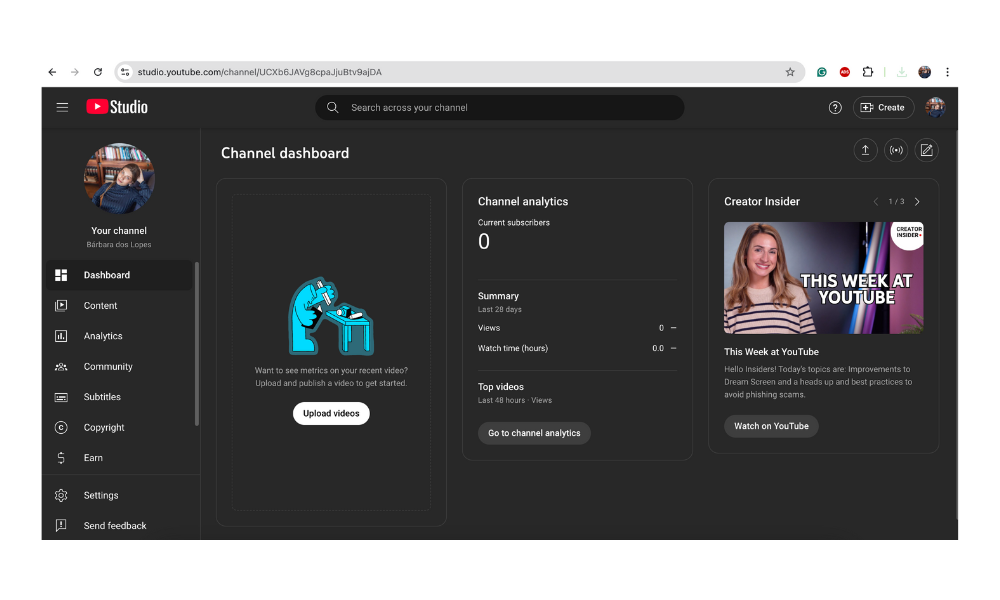
YouTube Channel Studio Capabilities
YouTube Studio tools focus on making your video better after it’s uploaded. Key features include:
Analytics dashboards to track viewer behavior
Custom thumbnail and end-screen generators
Comment moderation and basic trimming tools
Theseyoutube studio toolshelp refine your content. While editing basics are available, advanced tweaks often need external software.
TikTok’s In-App Editing Suite
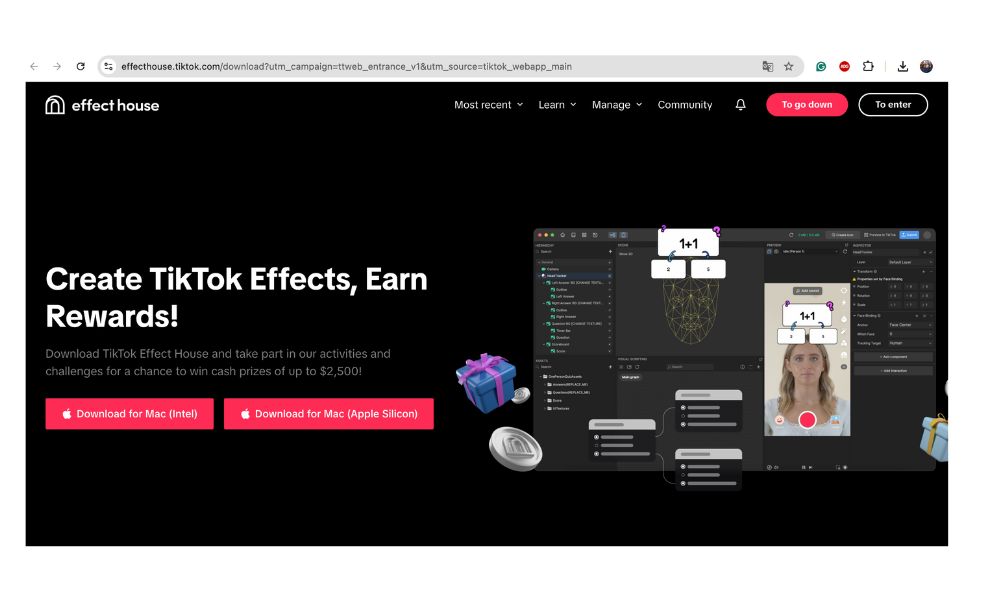
Homepage of TikTok’s effect house
TikTok’s editing features focus on speed and creativity. The app’s toolkit includes:
Effects, filters, and trending sounds
Text overlays, transitions, and split-screen options
Thesetiktok editing features let creators finish videos without leaving the app. It’s perfect for quick, polished content.
Community Building and Engagement Metrics
Engagement is more than just views—it’s about making a real connection. Both YouTube and TikTok have their own ways to help creators connect with their audience. Let’s look at how each platform builds and tracks community success.
This live streaming comparison shows YouTube’s structured events versus TikTok’s spontaneous vibe. Both platforms aim to engage but measure success in different ways.
Marketing Potential and Brand Presence
Brands have to decide between youtube marketing strategy or tiktok brand campaigns. YouTube is great for detailed product demos with its video platform advertising options. TikTok, on the other hand, is perfect for going viral with its in-feed ads and hashtag challenges.
For example, Chipotle’s #GuacDance challenge on TikTok got 2.3 billion views. This shows TikTok’s power in reaching a wide audience quickly.
Aspect
YouTube
TikTok
Ad Formats
Skippable pre-roll, Bumper ads
In-feed video, Branded Effects
Targeting
Demographic + search history
Behavioral data + interests
Average CPM
$12–$20
$10–$15
Influencer marketing comparison reveals YouTube is good for long-term partnerships. Sony, for example, works with tech reviewers on YouTube. TikTok, however, excels with micro-influencers and short-form content.
YouTube tracks watch time and click-through rates. TikTok looks at shares and challenge participation. Choose the right platform based on your brand’s needs. Tech brands do well on YouTube, while fashion or food brands see better results on TikTok.
Conclusion
Your youtube vs tiktok decision depends on what you want to achieve. If you’re into making in-depth tutorials or telling stories, YouTube is the way to go. It’s great for educational content, product reviews, and anything that lasts long.
On the other hand, TikTok is perfect for those who want to go viral fast. It’s all about short, catchy videos that appeal to Gen Z. It’s ideal for brands or creators looking to make a splash quickly.
When choosing a platform, think about who you’re trying to reach and what you’re sharing. TikTok is great for quick, engaging clips that grab attention fast. YouTube, with its longer videos, is better for making money through ads or sponsorships.
But here’s the thing: you don’t have to choose just one. You can use both platforms to reach more people. Start small, try out different things, and see what works best for you.
Whether you’re just starting out or you’re a seasoned pro, both YouTube and TikTok can help you succeed. Just remember, the key is to match your content with where your audience is most active. So, pick the platform that best fits your goals and start creating!
YouTube is for longer videos, from a few minutes to hours. TikTok is for short videos, up to 10 minutes now. YouTube attracts more age groups, but TikTok is big with Gen Z.
How do the algorithms of YouTube and TikTok work?
YouTube focuses on how long people watch videos. TikTok quickly shows videos based on what you like. This affects how easy it is for creators to get noticed.
What monetization opportunities are available for creators on both platforms?
YouTube lets creators earn through ads, memberships, and more. You need 1,000 subscribers and 4,000 watch hours. TikTok has a Creator Fund and brand deals, but income can be unpredictable.
What are the best content formats for YouTube and TikTok?
YouTube is great for tutorials, reviews, and vlogs. TikTok is for quick, fun videos like challenges and trends. Creators need to match their style to each platform.
How can I effectively engage with my audience on each platform?
YouTube is for deep conversations through longer videos. TikTok is for fast, fun interactions. Both need a good strategy to connect with your audience.
Which platform is better for marketing purposes?
It depends on your audience and content. YouTube is good for educational and lifestyle brands. TikTok is better for fashion and entertainment brands.
Are there specific tools for creating content on YouTube and TikTok?
Yes, YouTube Studio helps with analytics and editing. TikTok has a built-in editor with lots of features. Adobe Premiere Pro and CapCut can also improve your videos.
BuzzVoice is the best place to go when you need instant engagement services on social media. Offering a wide variety of packages for Instagram, Youtube, Facebook, Twitter, Soundcloud & Tiktok.