Understanding TLDR Meaning: A 2026 Usage Guide
“TLDR” stands for “Too Long; Didn’t Read,” which means a quick summary of lengthy content or an indication that a post was too long to read in its entirety. The full phrase is “long didn’t read.” TL;DR is pronounced by saying each letter separately: “T-L-D-R.” It is an acronym commonly used in online communication to enhance brevity and clarity.
TL;DR has also been officially recognized by Merriam-Webster, highlighting its acceptance in mainstream language. If you use TikTok, you’ll see “TLDR” in comment sections and captions that summarize long videos or voiceovers.
For those who use TLDR as a punchline or clever wrap-up on X (Twitter), increased visibility can be extremely beneficial. Consider using BuzzVoice’s Twitter Retweets and Likes services to promote your most popular posts and witty summaries.
Related: 111 Angel Number Meaning: Why You Keep Seeing It in 2026
How “TL;DR” Is Used on Social Media
In 2026, TL;DR has become second nature across every major social platform, from TikTok captions to deep-dive Twitter threads. Users typically present a TL;DR summary at the beginning or end of a post to highlight the main points for quick reading. The context in which TL;DR is used can affect its meaning and how it is received by the audience.
TikTok: TL;DR in Captions and Comments
TikTok creators frequently use the hashtag “TL;DR” in their video captions or top comments to summarize a longer video or storyline. TL;DR is often used to condense a long article or lengthy text into a concise summary, making it easier for viewers to quickly grasp the main points.
Some creators also include a dedicated dr section at the end of their videos or posts to provide a structured summary for viewers who want a quick overview.
This trend reflects TikTok users’ preference for quick, digestible takeaways, particularly on complex or trending topics. For creators looking to go viral or increase discoverability, including a strong TLDR in the caption can increase watch time and shares.
Twitter/X: TLDR in Threads and Replies
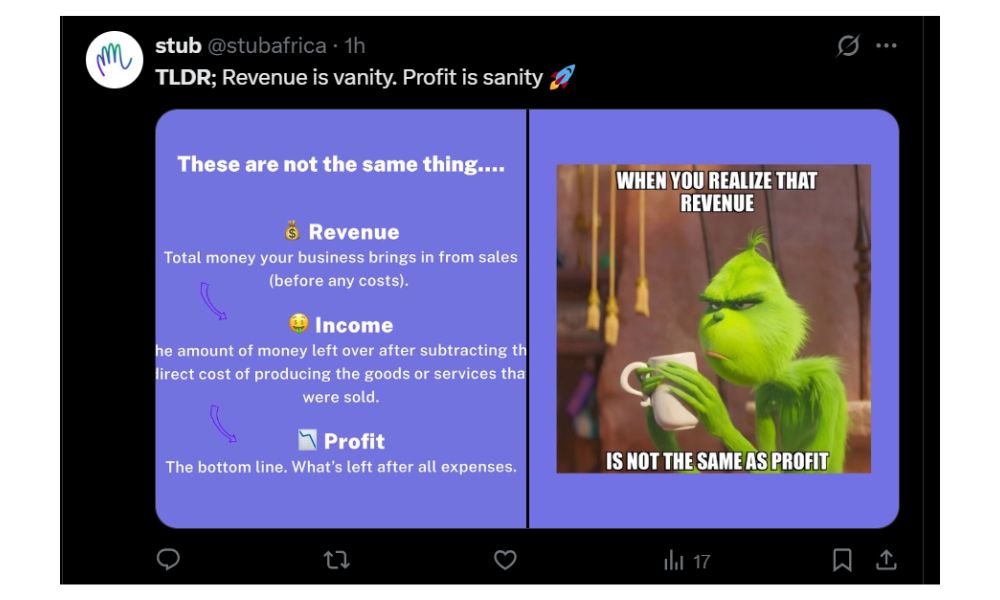
On Twitter (now X), the phrase “TLDR” is commonly used at the start or end of a thread to summarize key points, particularly when discussing news, tutorials, or opinion pieces. It allows users to quickly skim content without having to read each tweet individually.
Reddit, Discord, and Messaging Apps
Beyond mainstream platforms, TL;DR is critical in community-driven environments such as Reddit and Discord. Users frequently include TLDR lines at the end of lengthy posts or messages to summarize rants, personal stories, or in-depth guides.
In messaging apps such as WhatsApp, Telegram, and Slack, TLDRs have become a polite way to assist recipients in digesting long messages, demonstrating an understanding of people’s time constraints.
Related: What Does CFS Mean On Instagram In Text?
Examples of “TL;DR” in Posts
To better understand how “TL;DR” works in everyday content, consider these real-world examples from various platforms where TLDR internet slang speeds up, makes communication funnier, or increases effectiveness.
TikTok Caption
This type of caption is common on TikTok, particularly in storytime videos or “day in the life” posts. The TL;DR summary provides viewers with an immediate payoff and frequently prompts them to rewatch the entire video with curiosity.
Whether you need more traction for storytelling, tutorials, or niche content, BuzzVoice’s TikTok Likes, Views, and Shares can help you reach more people and make your summaries stand out in a crowded feed.
Twitter Thread Ending
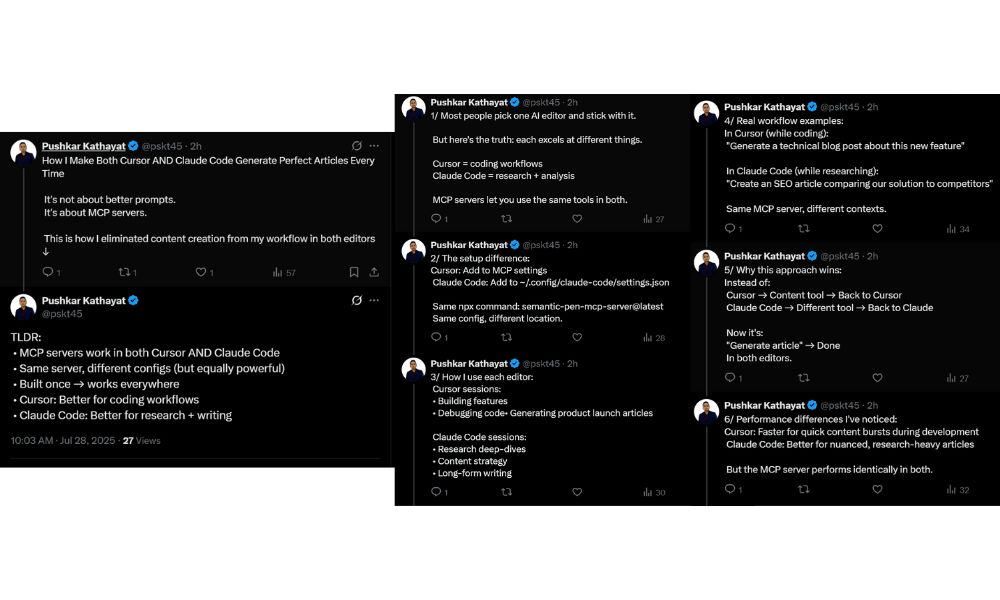
Twitter (X) is a hotspot for thought leadership, and TLDRs frequently summarize multi-part threads. This summary technique is popular among technology experts, journalists, and educators who understand that their audience may skim rather than scroll.
To increase visibility for your educational or commentary-style threads, consider using BuzzVoice’s Twitter Retweets and Likes and Twitter Followers to ensure your concise insights reach the timeline.
Comment Reply
“TL;DR version: It’s complicated.”
This short and sassy response is common in comment threads on Reddit, Instagram, and TikTok. It reflects the informal, sometimes humorous manner in which TLDR is used to indicate that there is more nuance than meets the eye.
A well-timed TLDR can spark interactions, whether you’re debating or telling a story.
Related: Demure Meaning on TikTok: The Trend Behind
Why Is “TL;DR” Still Relevant in 2026?
In a digital world saturated with content, TL;DR has never been more important. Despite its long history, this piece of internet slang remains a popular tool in 2026 because it perfectly matches how we consume content today: quickly, on mobile, and with short attention spans.
- Quick, Digestible Info in an Age of Overload
Every minute, thousands of videos are uploaded to TikTok, and millions of tweets are sent. Users crave speed and clarity when dealing with such a large volume of information. That’s where TLDR shines: it serves as a shortcut for readers and viewers to quickly grasp the main point.
“Too long; didn’t read” becomes “just right, now I’ll read/watch the rest.”
And if you’re a content creator competing in this attention economy, you need both clarity and reach to stand out.
- Concise, Accessible Conversations
Whether it’s a Twitter thread about AI regulations or a TikTok video explaining cybersecurity risks, TLDR provides structure. It respects the audience’s time and helps them decide whether or not to go deeper.
In a way, TLDR democratizes content by making dense or niche topics more accessible to a larger audience. That is especially effective on Twitter/X, where users can scan dozens of posts in a minute.
- Better Engagement Through Summaries
Surprisingly, summarizing your content with TLDR does not reduce engagement; rather, it increases it. Giving your audience a “teaser” or core insight upfront increases the likelihood of sparking curiosity and driving clicks, views, or comments. Creators who use TLDR effectively frequently receive more meaningful interactions.
Related: What Does “Doge” Mean? Explained Guide 2026
Conclusion
TL;DR: It’s not going anywhere. In 2026, “TL;DR” remains one of the most popular internet abbreviations, particularly on fast-paced platforms such as TikTok and Twitter. Whether you’re condensing a long story into a single line, responding with humor, or making your post more skimmable, this shorthand is still an effective tool for digital communication.
For content creators, influencers, and brands, mastering the use of “TL;DR” is not just about language; it’s about increasing engagement and keeping up with how people consume. information online. Knowing how to use TLDR well can make your content more approachable, shareable, and viral.
Consider using BuzzVoice’s TikTok Followers, Views, and Likes to grow faster on the world’s leading short-video platform, as well as BuzzVoice’s Twitter Retweets and Likes, and Followers to broaden your reach and impact on every TLDR tweet or thread.
FAQs
Can I use “TL;DR” in formal writing?
In general, no. TL;DR is a type of internet slang that works best in informal or online settings, such as TikTok captions, Twitter threads, blog posts, or Reddit comments. In professional or academic writing, it is preferable to use phrases such as “In summary” or “To conclude.”
Is “TL;DR” considered rude?
Not always, but tone matters. When used thoughtfully, TL;DR can be an effective way to summarize or improve clarity. However, if it is used dismissively (for example, after someone has shared a long message), it may appear sarcastic or uninterested.
Are there alternatives to “TL;DR”?
Yes! If you want a less informal tone, consider using:
“In short”
“Quick summary”
“Bottom line”
“Key takeaway”

BuzzVoice
BuzzVoice is the best place to go when you need instant engagement services on social media. Offering a wide variety of packages for Instagram, Youtube, Facebook, Twitter, Soundcloud & Tiktok.